





From a once-barren fishing port to a world-class port, Yantian Port Port's rise has been shaped by generations of dedicated port professionals, working hand in hand with Dapeng Customs, whose enduring commitment to reform, innovation, and responsibility has been instrumental every step of the way. In the spring of 2026, the main marine works of Phase I of East Port of Yantian Port were fully completed, adding an annual handling capacity of 3 million TEUs. Combined with the strength of the Customs, this milestone will further bolster the high-quality development of China's foreign trade. The opening chapter of the "Port History" series takes you inside Dapeng Customs and Yantian Port, uncovering more than three decades of extraordinary progress and perseverance.
(The following content is reproduced from Shenzhen Customs.)
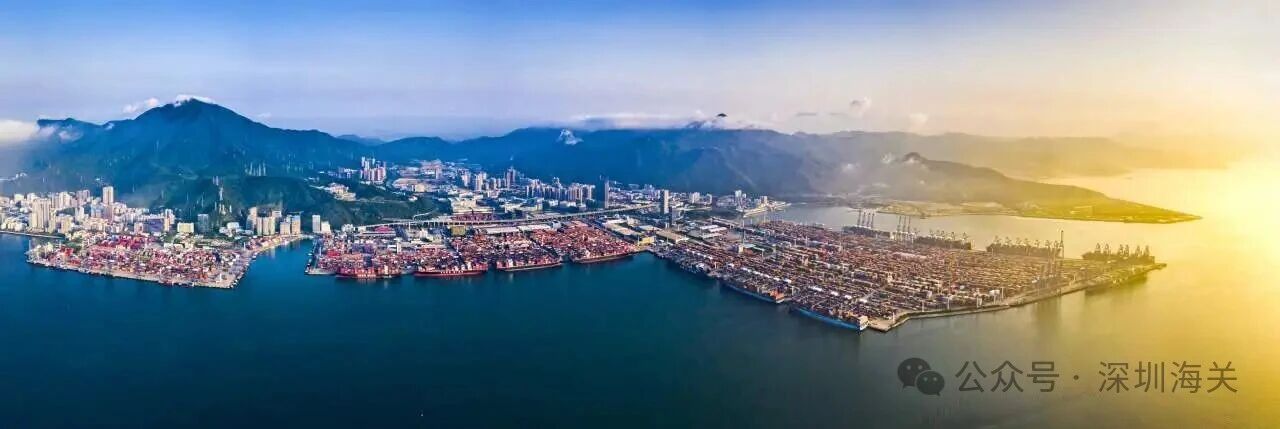
In the first spring feature of the "Port History" series, we invite you to the most beautiful seaport—Yantian Port. As spring unfolds along the waterfront, the harbour rests in quiet harmony with the sea. Tides lie calm, shores stretch wide, and vessels gather in measured rhythm. Here, Dapeng Customs stands watch over the rhythm of the tides. This is more than a gateway for the movement of cargoes, it is the opening chapter of countless ocean-bound journeys. Experience is refined into efficiency, while sea breezes bring order to motion. Sunlight illuminates the shipping lanes, guiding them toward the vast blue beyond. Join us in a shared promise between mountains and seas.
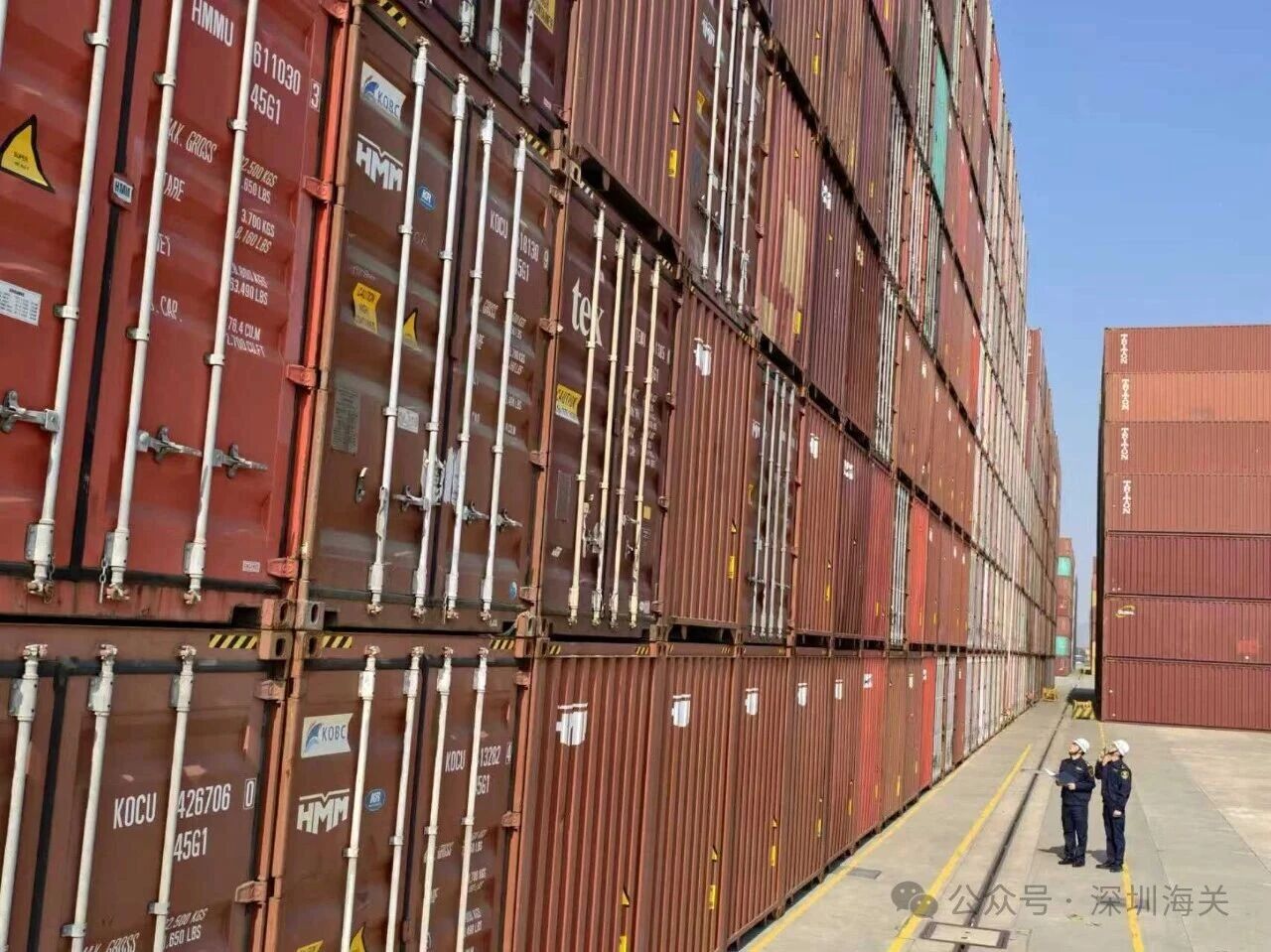
Dapeng Customs serves as the maritime customs authority for eastern Shenzhen, overseeing operations at Yantian Port, the Dapeng LNG Terminal, and the dedicated port services of the Daya Bay Nuclear Power Plant.
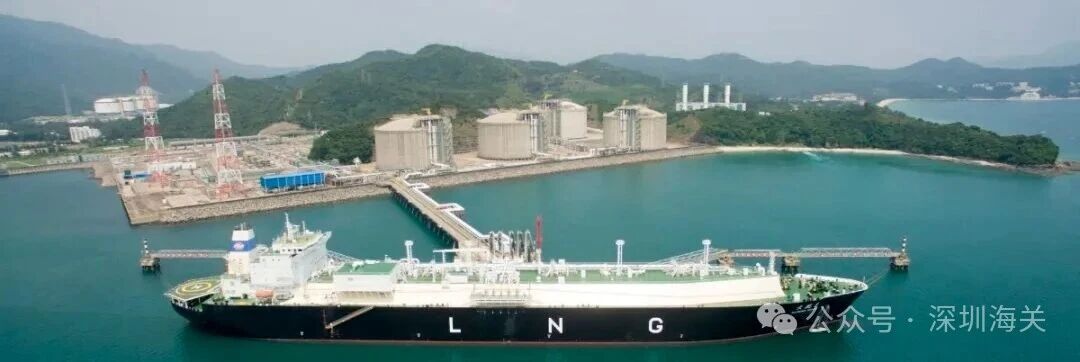
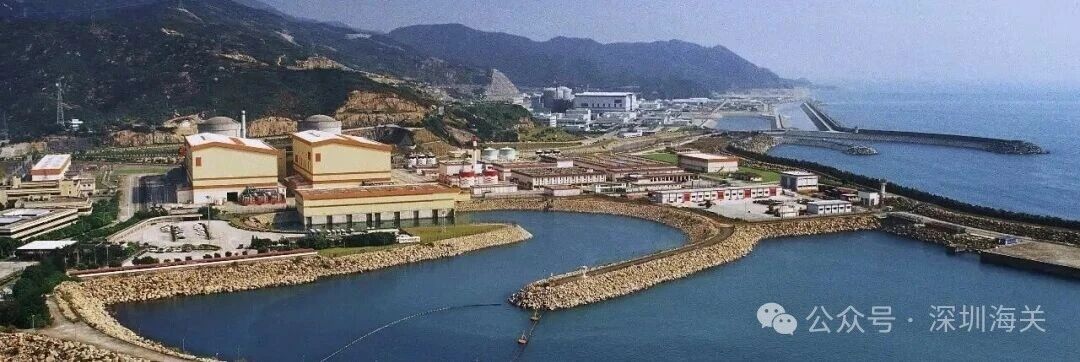
Supervision Sites
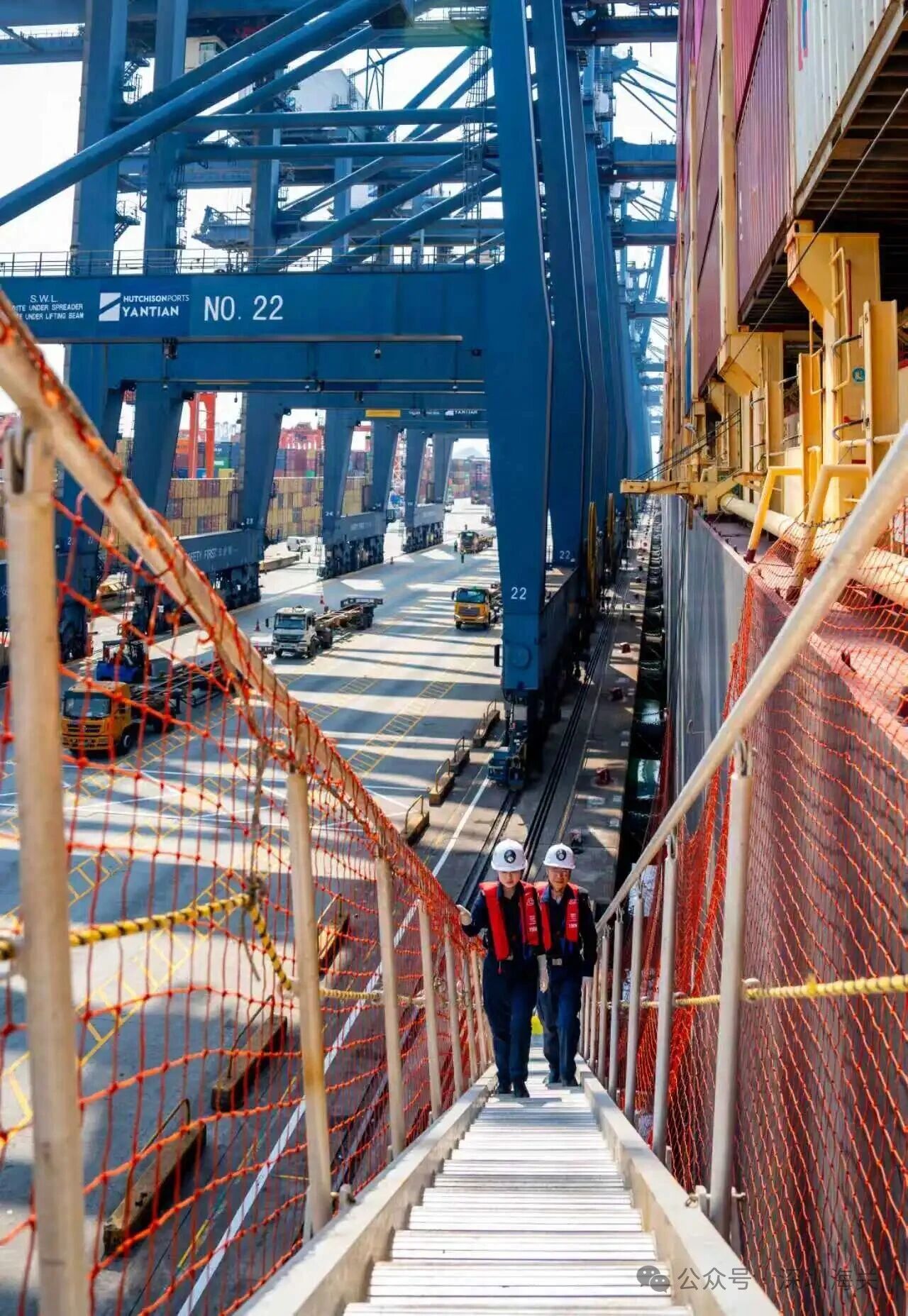
Where steel meets the sea—strength and grace in seamless harmony.
From Tidal Flats to a Global Port
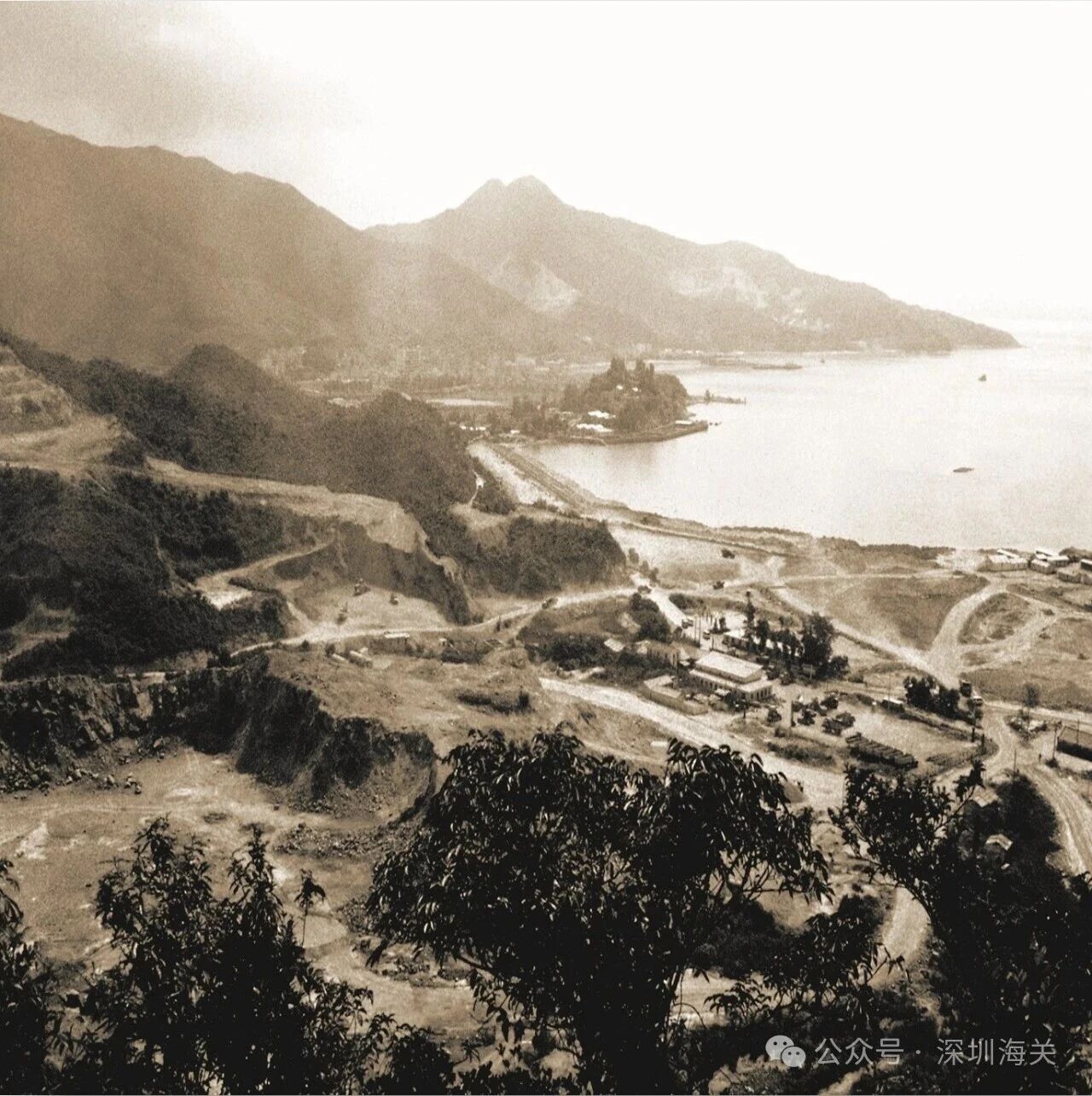 | 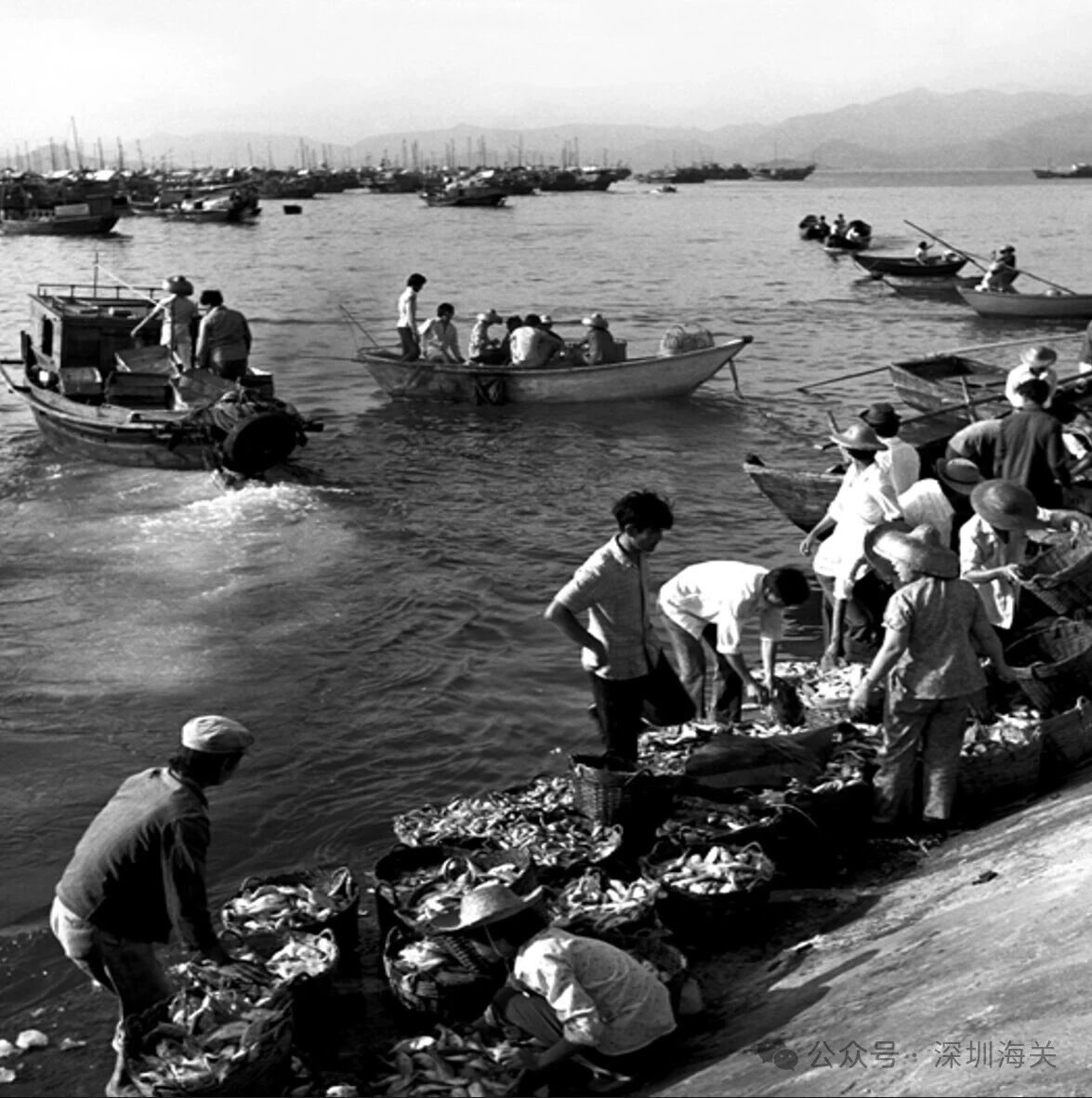 |
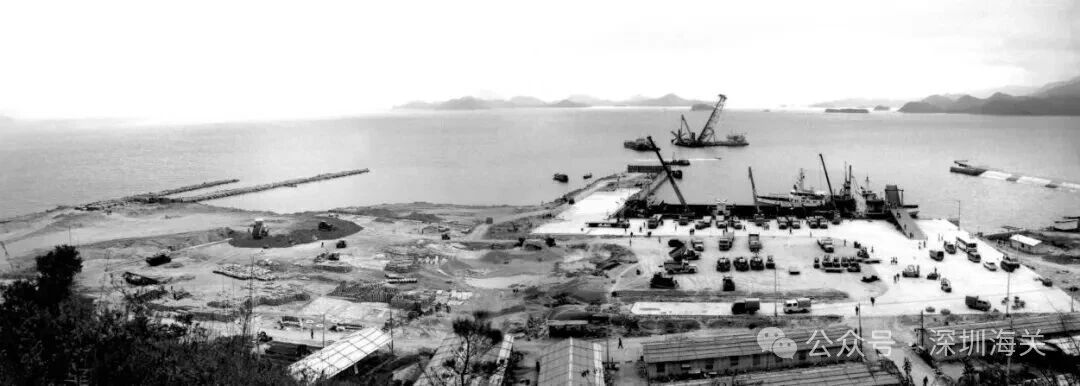
A barren shore in the 1970s–1980s
In the 1980s, following the establishment of the Shenzhen Special Economic Zone, a modern port became essential to support the city's rapid economic rise. The site of today's Yantian Port was once a stretch of desolate tidal flats. Backed by national policies, planning and construction began in 1985, marking the starting point of Dapeng Customs's journey.
1992
 |
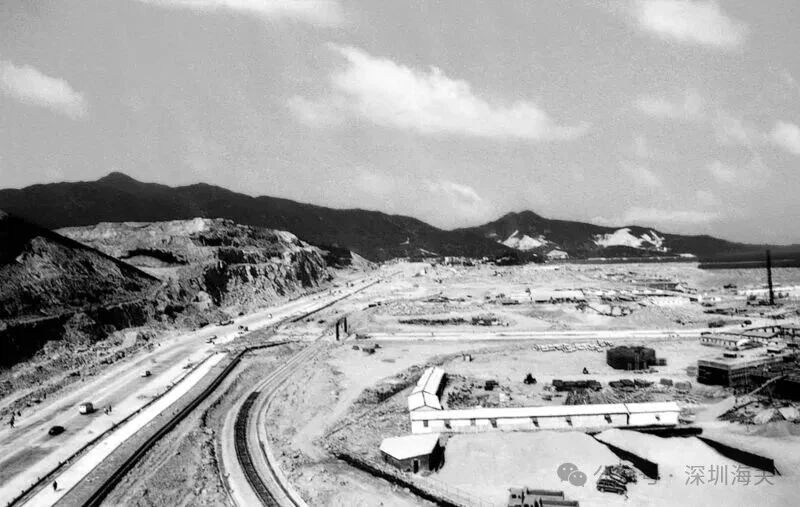 |
Yantian Port takes shape
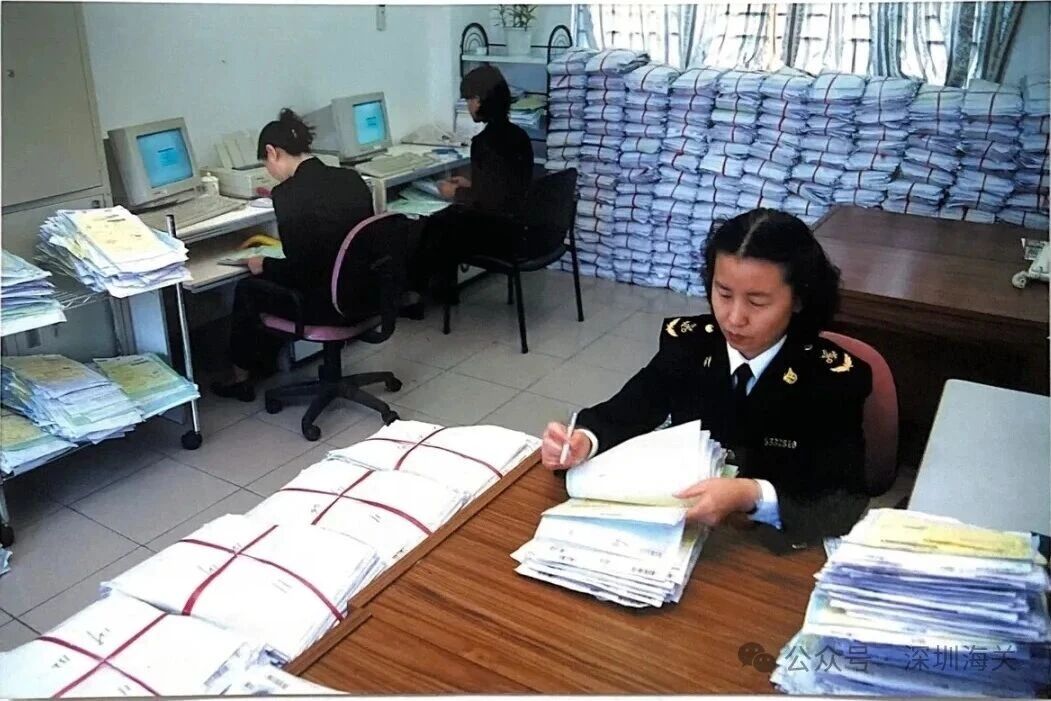
On November 11, 1992, Yantian Port was officially opened as a national first-class port, with Dapeng Customs and other port supervisory authorities commencing operations simultaneously.
Conditions during the early construction phase were modest. Dozens of young staff worked out of a handful of rooms in the port company, relied on a nearby convenience shop for meals, and carried out cargo inspections in open, dust-filled yards. Construction materials were inspected immediately upon arrival, ensuring steady progress in building the port.
1995
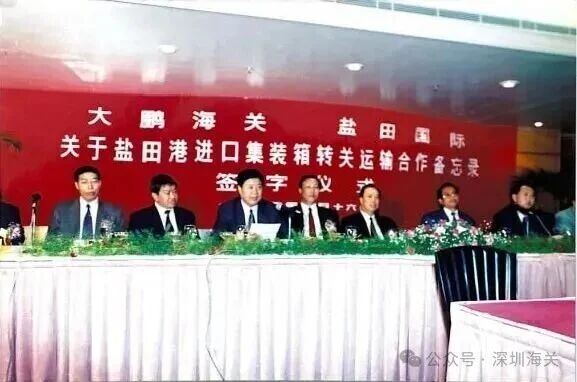
Dapeng Customs signed a Memorandum of Cooperation on Container Transit Transport with Yantian Port.
In the initial years following the completion of Phase I, container throughput reached only one-fifth of designed capacity, making the development of transit transport a key strategic priority.
On October 16, 1995, Dapeng Customs signed a Memorandum of Cooperation on Container Transit Transport with Yantian International Container Terminals. This forward-looking approach strengthened enterprise self-management and accountability, reduced customs supervision risks, and streamlined transit procedures. By 1997, the volume of import and export containers handled under Dapeng Customs had surged more than 53-fold from its early days, reaching 638,000 TEUs.
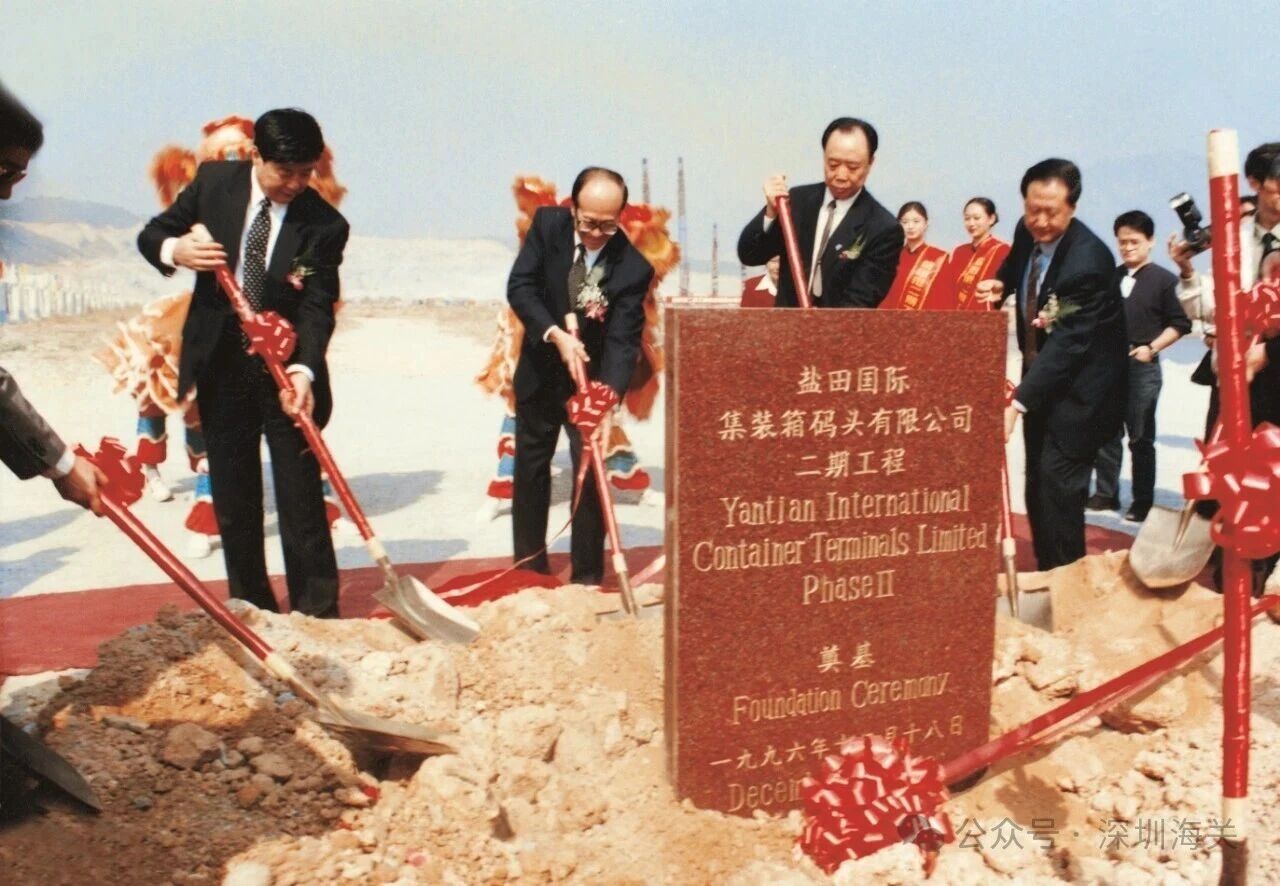
On December 18, 1996, construction of Phase II of Yantian Port officially commenced.
1999
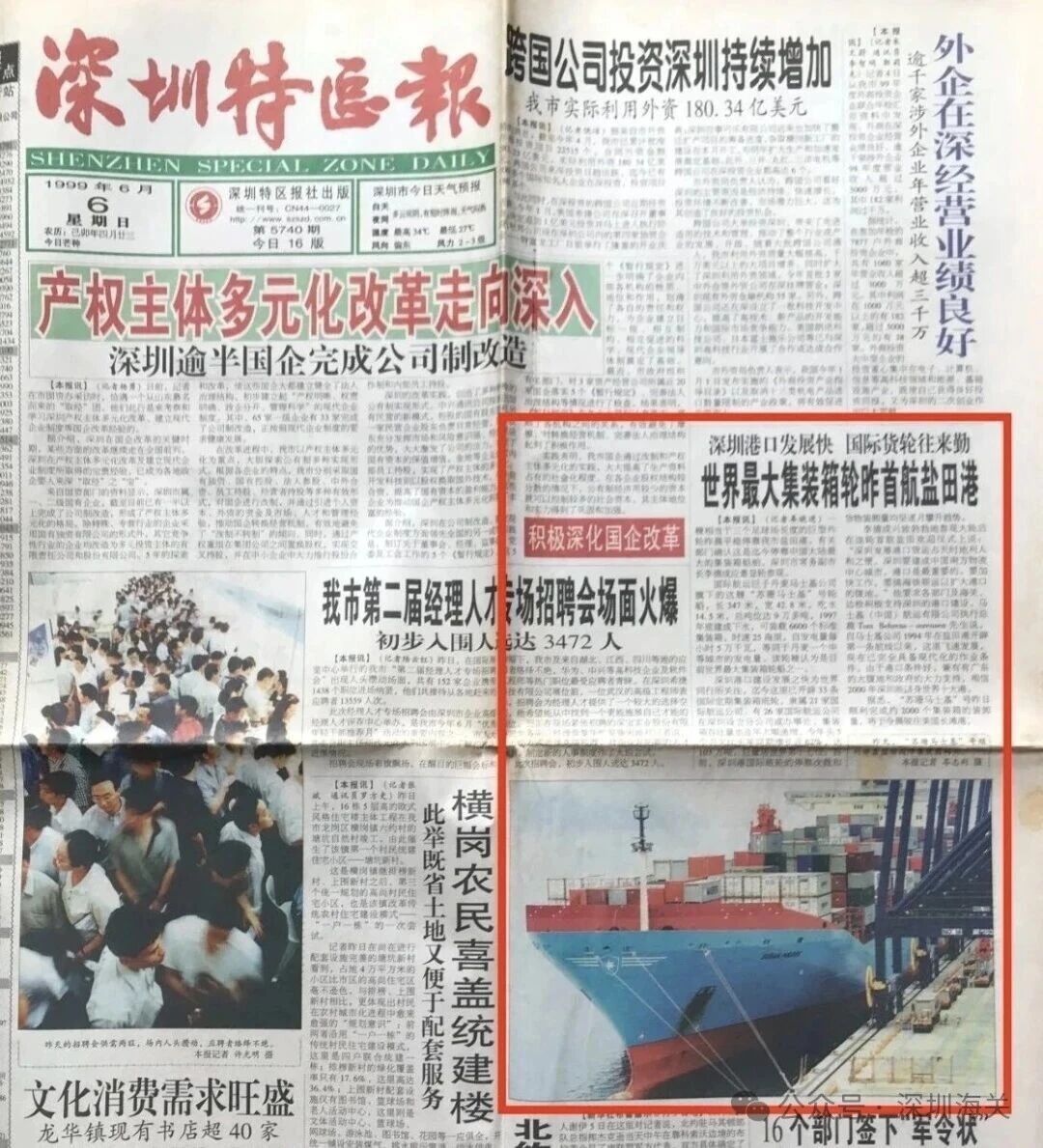
Shenzhen Special Zone Daily reported on the landmark maiden visit of the Susan Maersk—then the world's largest container vessel—to Yantian Port.
On June 6, 1999, the Susan Maersk—then the world's largest container vessel, with a capacity of 6,600 TEUs—made its maiden visit at Yantian Port. This milestone cemented the port's position as the preferred port-of-call for mega- vessels in South China. That same year, the Yantian Port Bonded Zone passed national acceptance.
The Shenzhen Customs office stationed there came under the administration of Dapeng Customs. Leveraging policy advantages, the bonded zone further reinforced Yantian Port's role as a key regional logistics hub.
Riding the Waves Forward
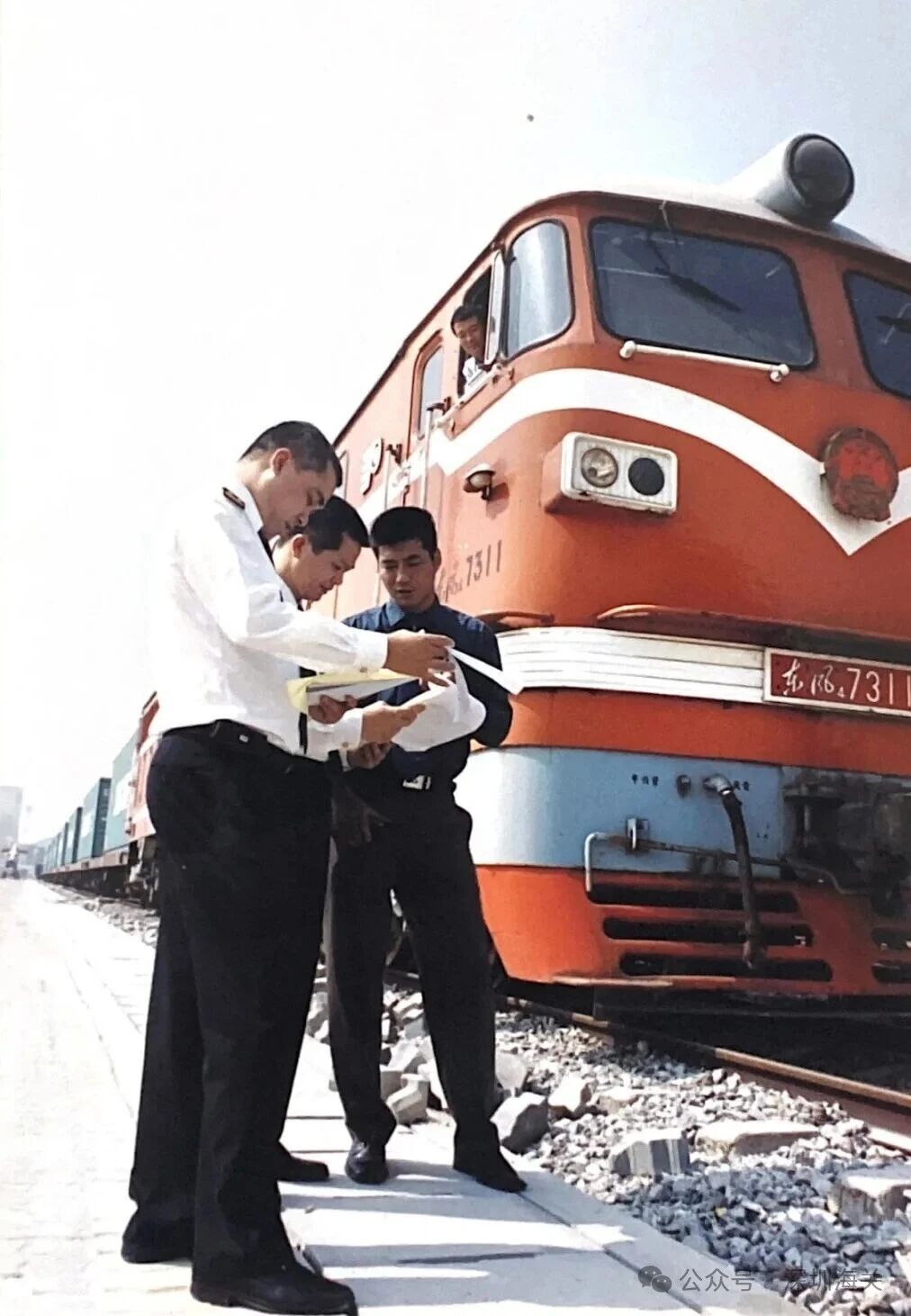 |
|
Dapeng Customs in the early 21st century
As the 21st century unfolded, accelerating globalisation fuelled the rapid expansion of maritime logistics, placing growing demands on customs supervision.
In response, Dapeng Customs forged ahead, breaking through constraints and driving successive waves of clearance reform, while continuously raising the bar for supervisory efficiency.
2004
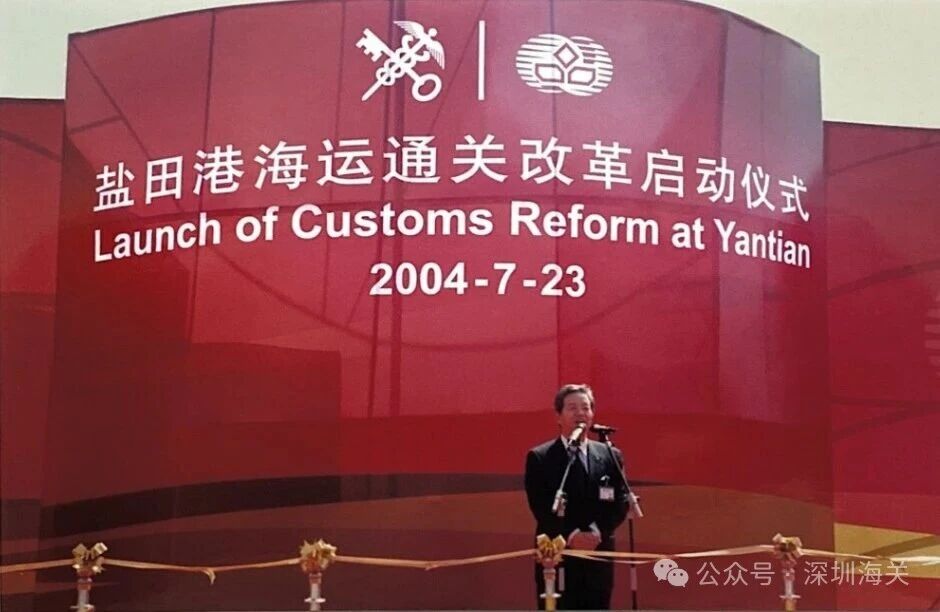
Launch of maritime clearance reform at Yantian Port
On July 23, 2004, Dapeng Customs launched a new round of maritime customs clearance reform in Shenzhen anchored in the H2000 clearance management system and centred on centralised inspection.
2006
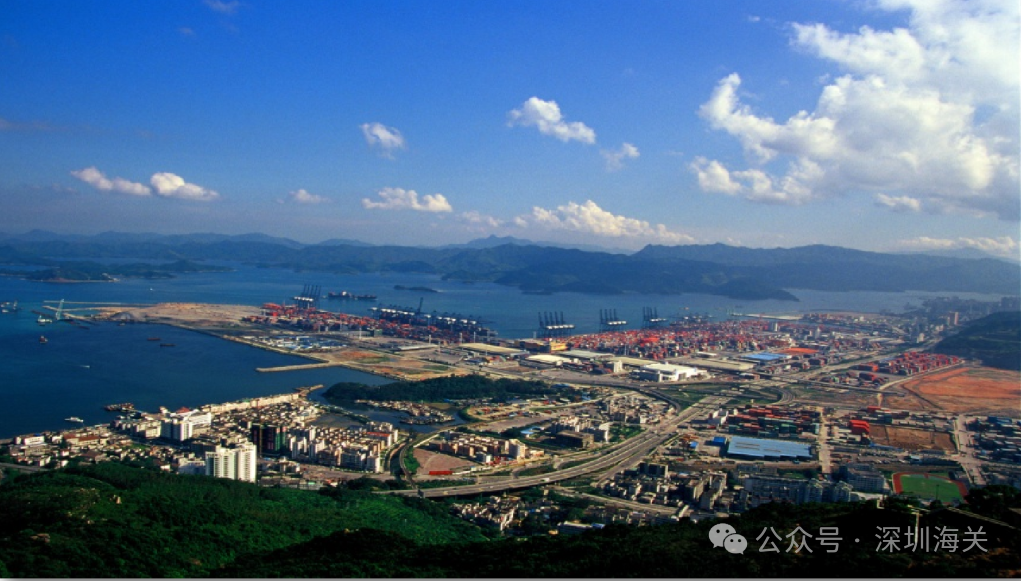
Yantian Port panoramic view — Phase III construction underway
On March 21, 2006, the Yantian Port Bonded Logistics Park was officially launched. Approved by the State Council as one of China's first pilot projects for "zone–port integration," the park seamlessly connected bonded zone functions with port operations.
This integration significantly improved logistics efficiency and met modern supply chains' demand for rapid response and flexible allocation.
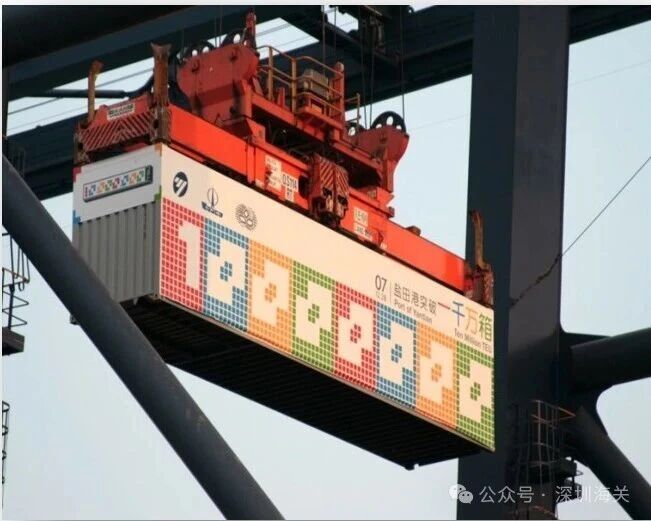
In 2007, Yantian Port achieved a historic milestone, with annual container throughput surpassing 10 million TEUs for the first time.
2008
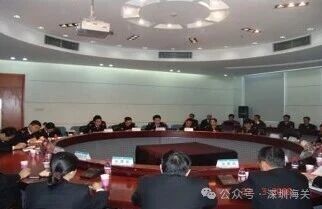
On-site meeting for paperless clearance pilot at Dapeng Customs
On April 10, 2008, Dapeng Customs took the lead within the Shenzhen Customs in launching a pilot program for paperless customs clearance.
Enterprises handling declarations eligible for the paperless channel were no longer required to send personnel on-site or travel repeatedly between customs and terminals to submit release documents or process DT lock removal. The initiative was well received and delivered strong results.
2009
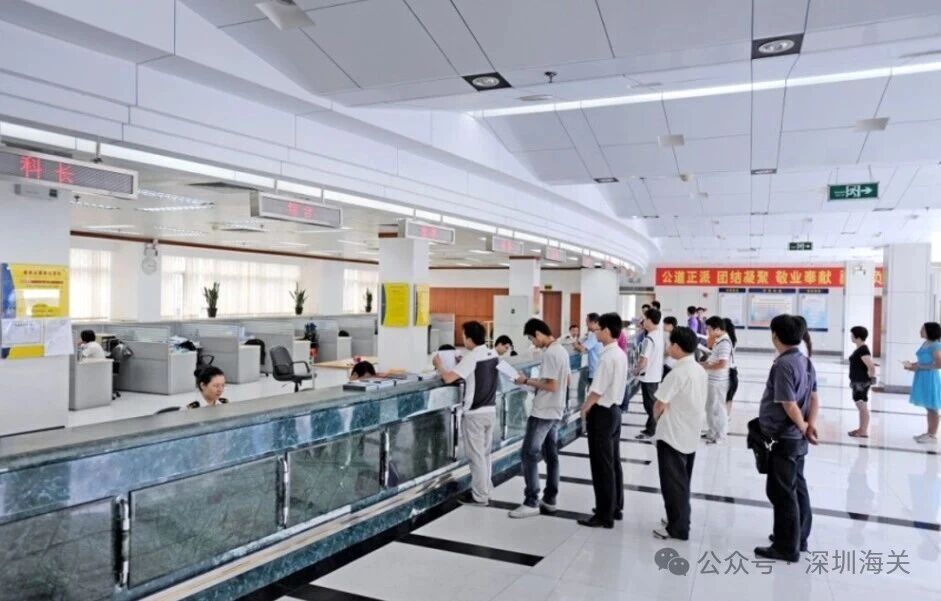
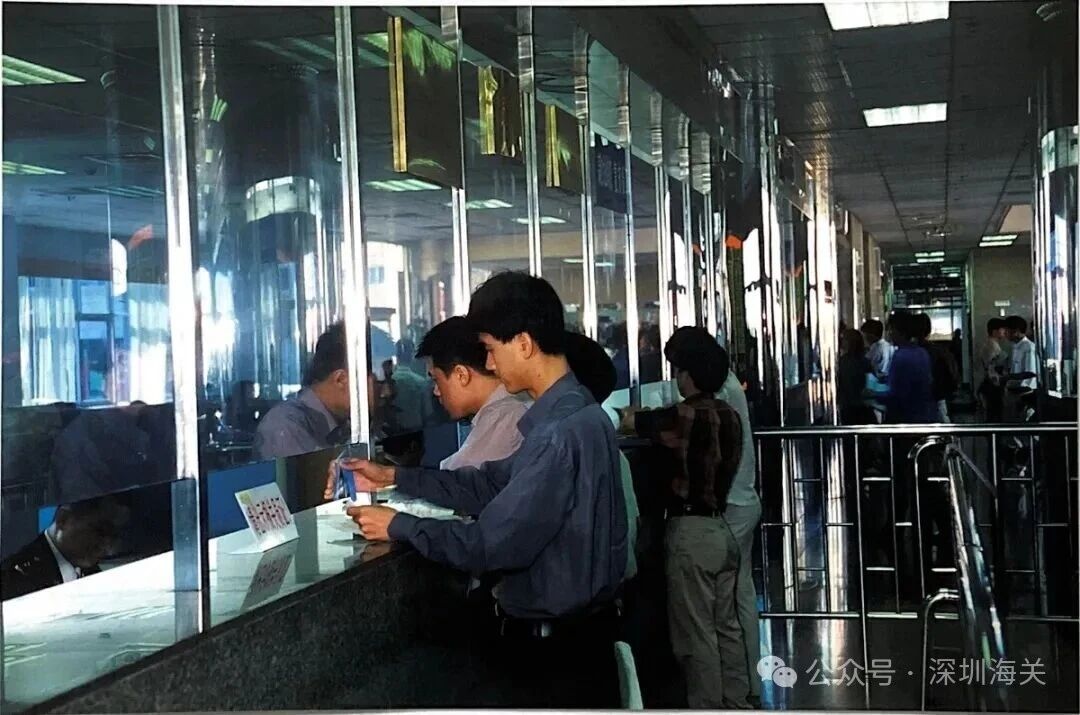
Declaration hall after implementation of classified clearance
On June 1, 2009, the classified customs clearance reform was formally implemented. By year-end, over half of non-dutiable declarations were processed under the "low-risk, rapid release" model.
2013
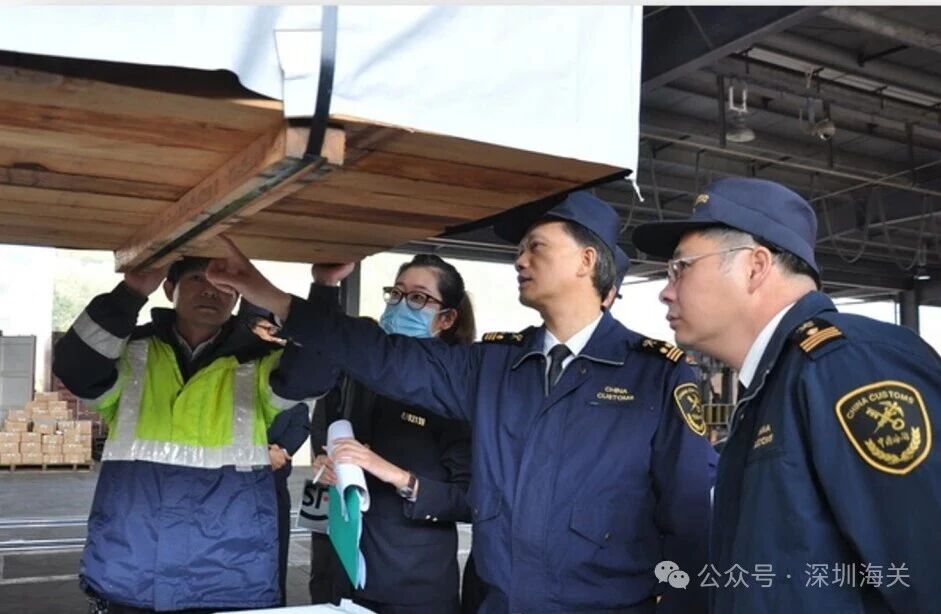
Launch of the "three-in-one" joint inspection model
In 2013, Dapeng Customs introduced the joint "three-in-one" model—"one-time declaration, inspection, release"—in collaboration with supervisory authorities. The reform significantly reduced clearance times while lowering operational costs for enterprises, including handling and cargo transfer expenses.
That same year, Yantian Port 's cumulative container throughput surpassed 100 million TEUs in just 18.5 years, setting a global record for the fastest port to reach this milestone.
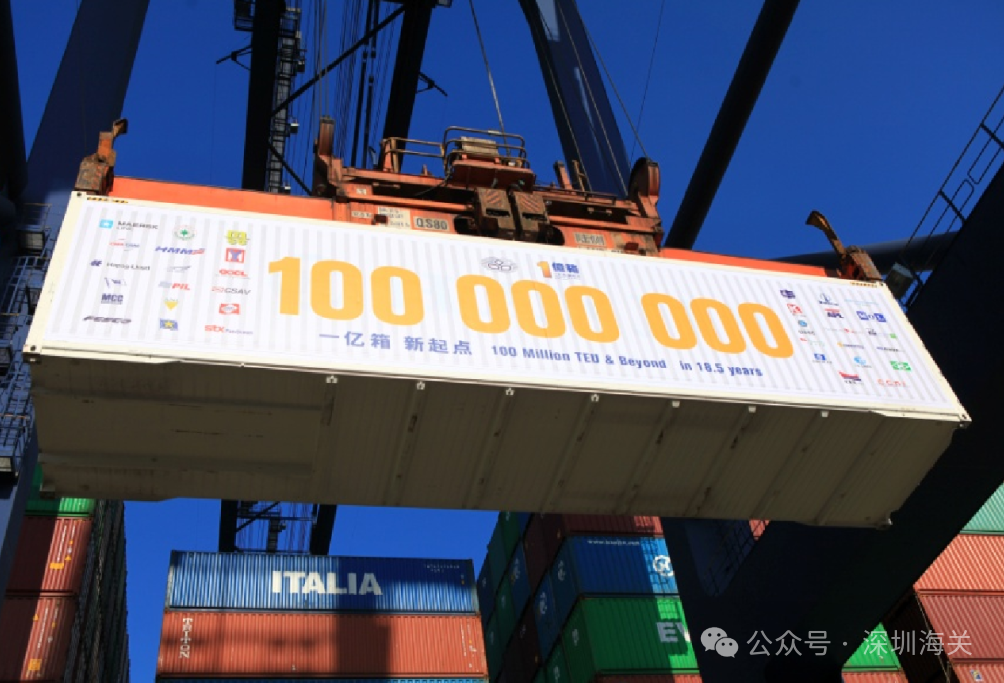
Yantian Port's cumulative container throughput surpassed 100 million TEUs
2016
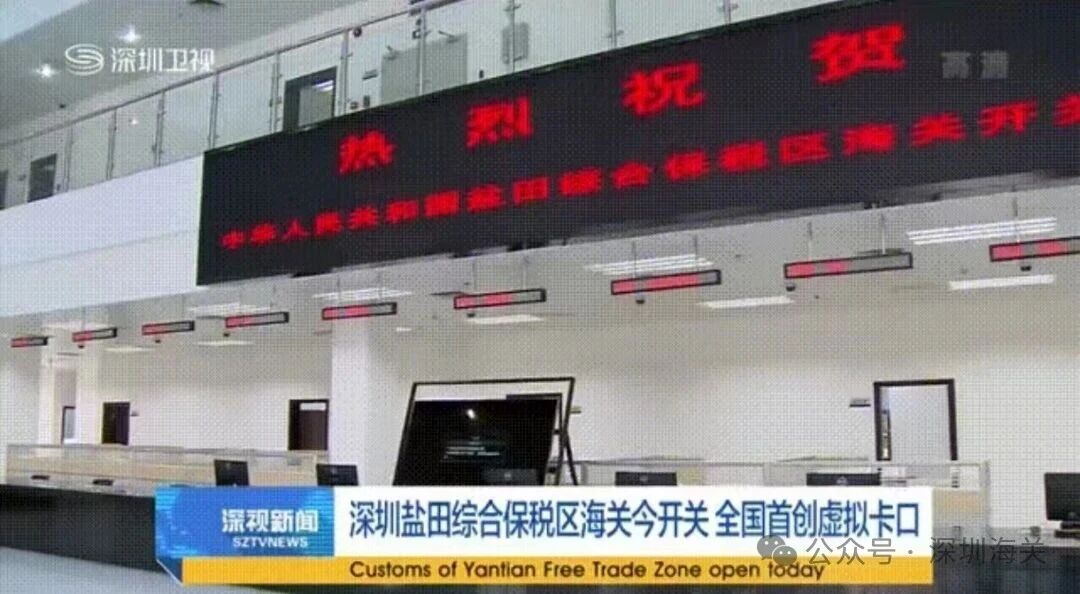
Shenzhen TV reports on the launch of customs operations in Yantian Port Integrated Bonded Area
In January 2016, the Yantian Port Integrated Bonded Area officially commenced independent customs operation, becoming Shenzhen's first national-level integrated bonded area. The Yantian Port Integrated Bonded Area and Yantian Port Bonded Logistics Park were subsequently integrated under its customs administration.
This development further accelerated the growth of Yantian Port 's international transshipment business.
2018
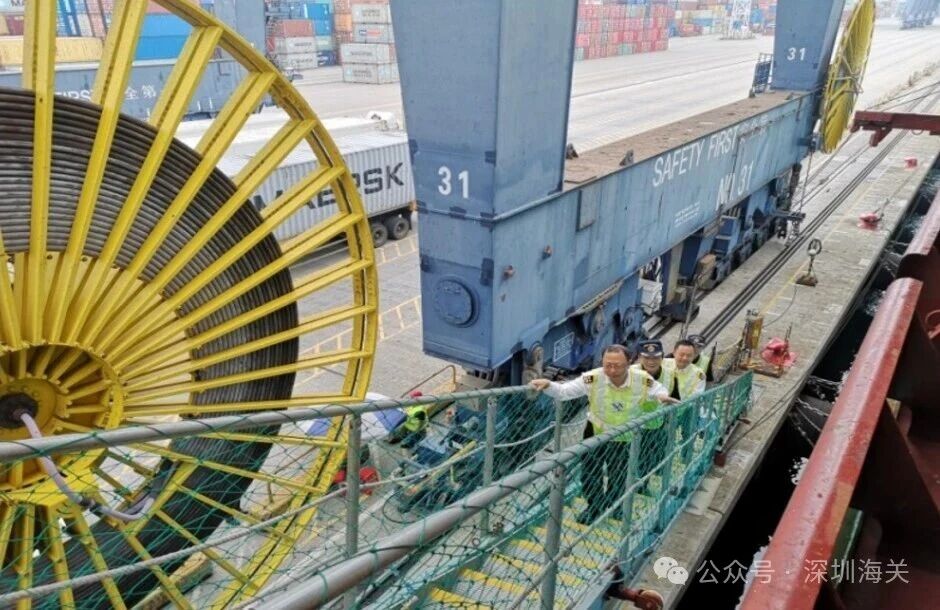
First vessel boarding inspection at Yantian Port following customs-supervisory authority integration
On April 20, 2018, China's entry-exit inspection and quarantine functions were fully integrated under the unified Customs framework.
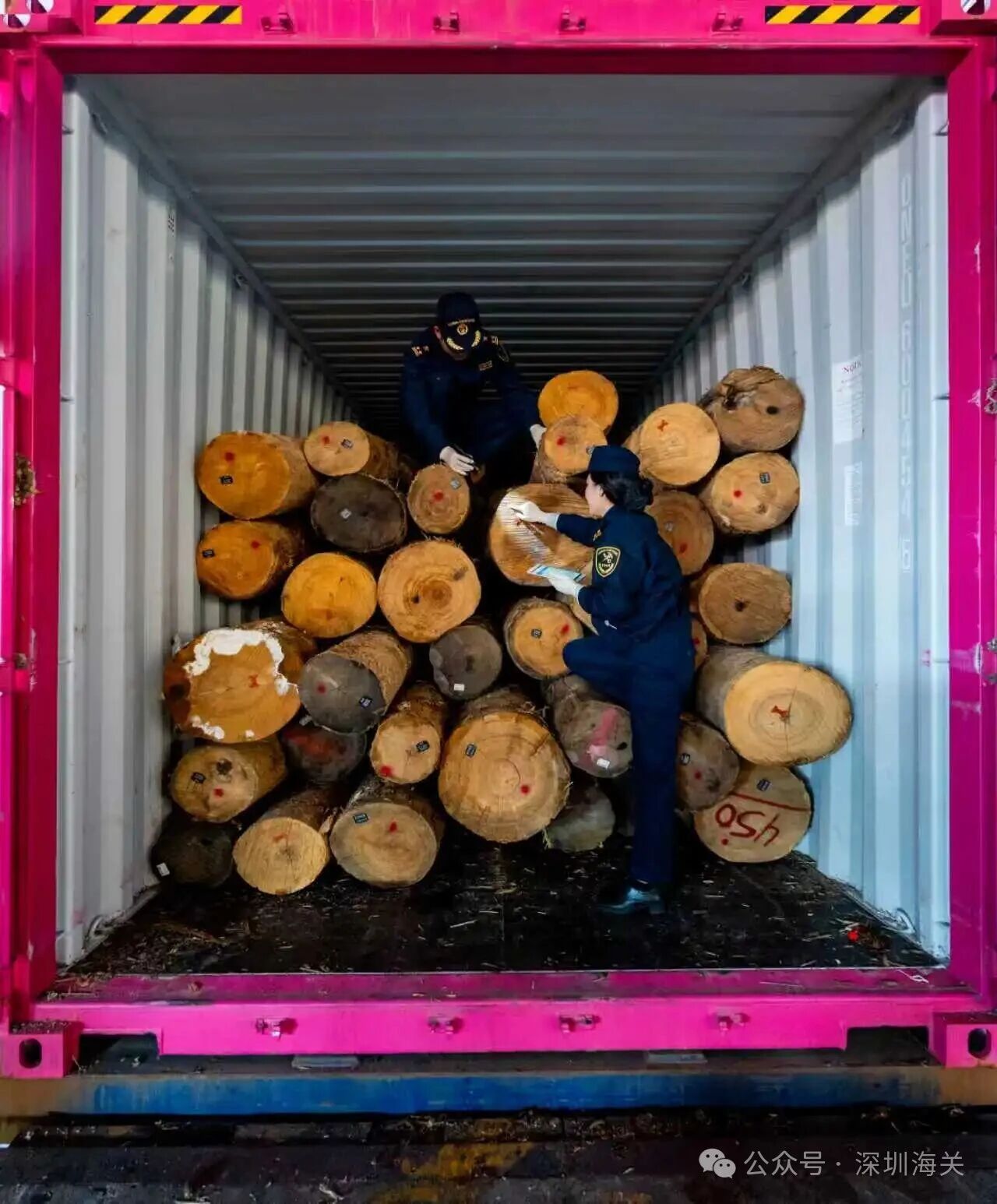
Dapeng Customs assumed responsibility for the inspection and quarantine of inbound and outbound vessels, containers, and cargo, as well as port health supervision—functions previously handled by the Yantian Port Entry-Exit Inspection and Quarantine Bureau. It also took over customs operations at the Daya Bay Nuclear Power Plant's dedicated port, consolidating responsibilities from Shatoujiao Customs and the Longgang branch of the inspection and quarantine authority.
At the Forefront of the Tide
 |  |
 |  |
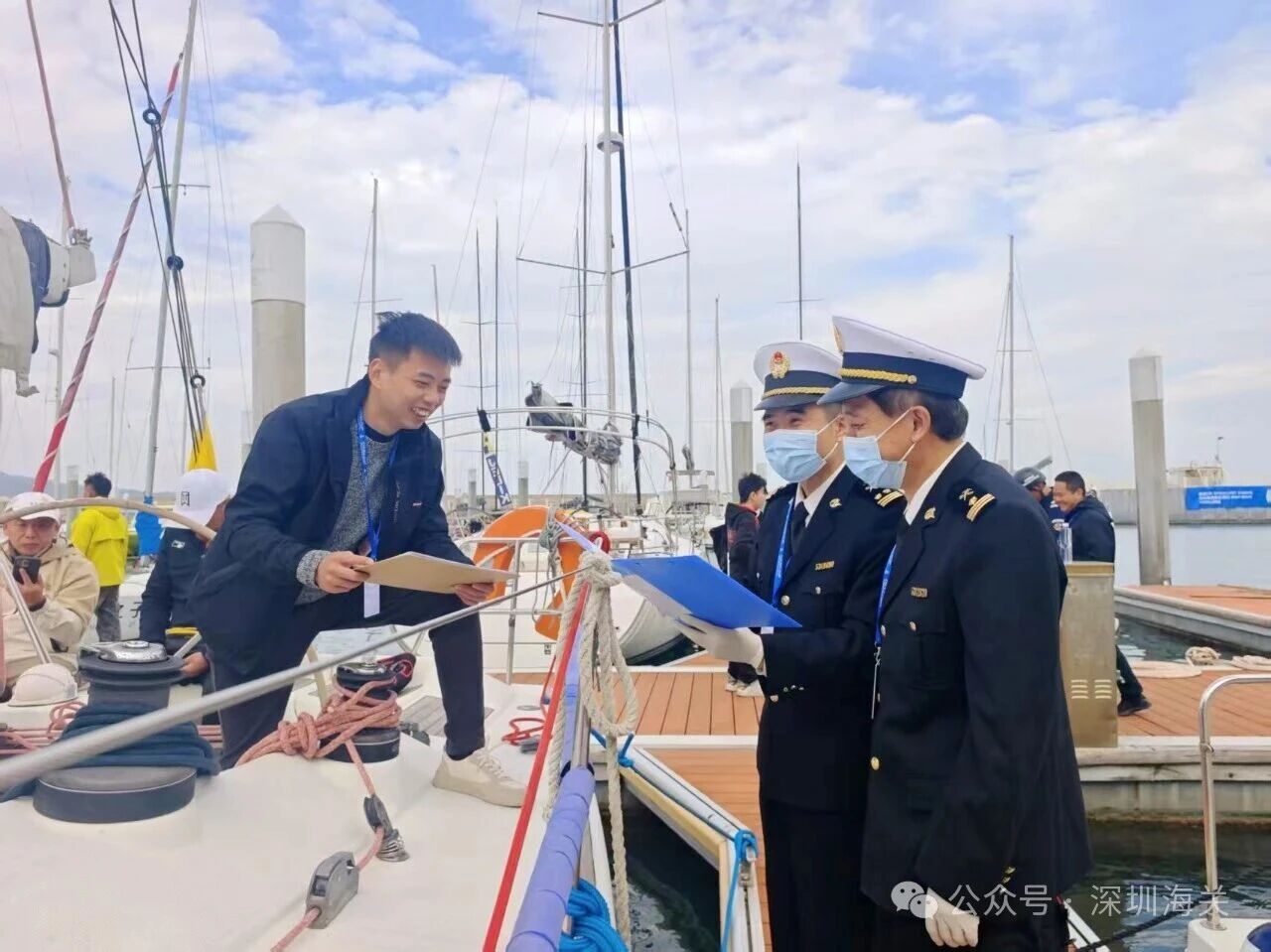
In 2019, the State Council issued the Outline Development Plan for the Guangdong–Hong Kong–Macao Greater Bay Area and the Opinions on Supporting Shenzhen in Building a Pilot Demonstration Zone of Socialism with Chinese Characteristics. The convergence of these strategic initiatives created powerful momentum, propelling Shenzhen to the forefront of reform and opening-up.
2019
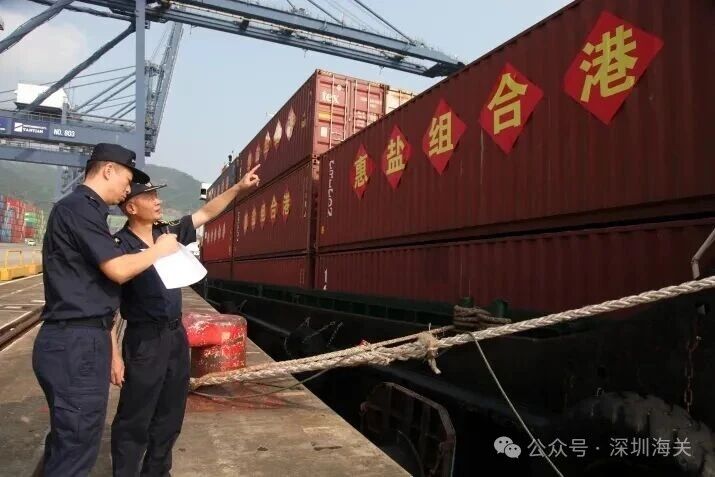
First "port alliance" model shipment under customs supervision
On October 22, 2019, the "Huizhou–YANTIAN Port Alliance" was officially launched, marking the debut of the "port alliance" model. Under this framework, ports across the Greater Bay Area benefit from complementary resource allocation, shared information, and more efficient cargo flows, enhancing the overall competitiveness of the regional port cluster.
2020
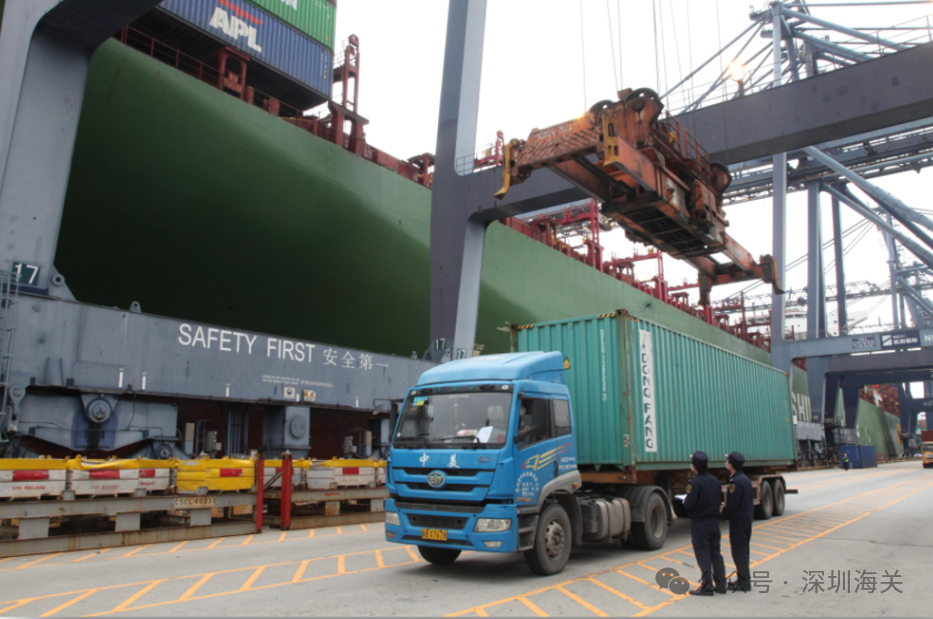
Customs officers supervise the first "direct loading upon arrival" shipment, with the entire process—from factory departure to port arrival and vessel loading—completed in just 1.8 hours.
In 2020, the COVID-19 pandemic placed unprecedented strain on global logistics and supply chains. In response, Dapeng Customs implemented a range of measures to stabilise trade and ensure supply chain continuity, including "direct pickup alongside vessel," "direct loading upon arrival," and "in-port consolidation and transshipment." During the year, 11 new shipping services were launched, and container throughput rose by 2.1% year-on-year.
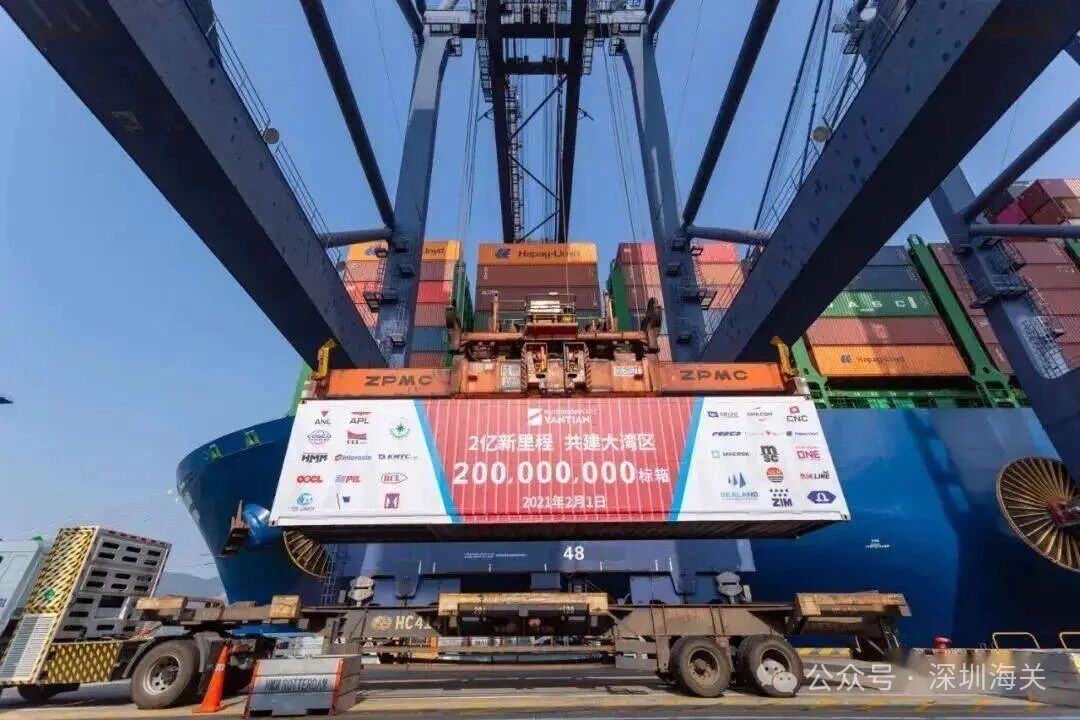
On February 1, 2021, Yantian Port handled its 200 millionth TEU since opening—marking a significant milestone in its continued growth and development.
2022
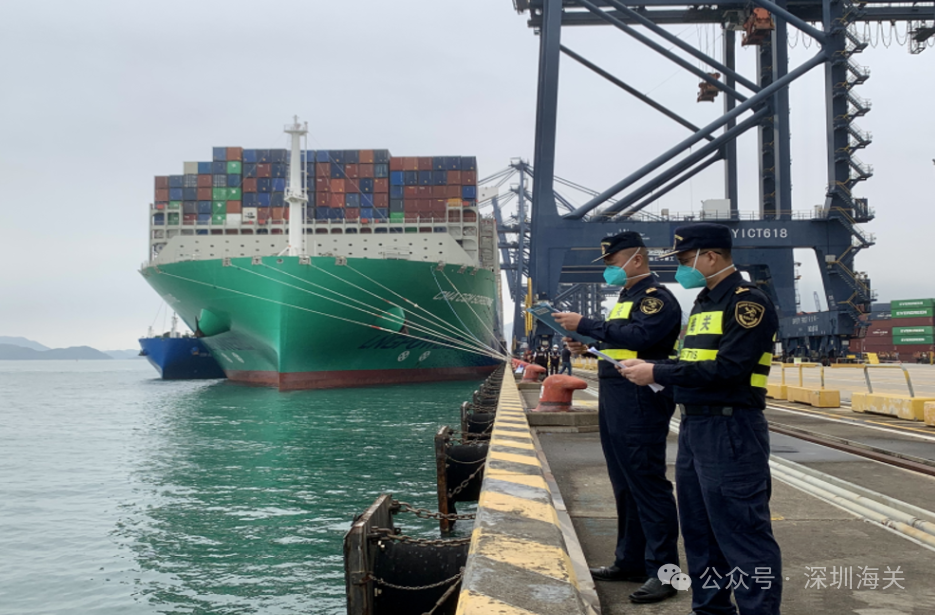
First LNG bunkering for an ocean-going vessel in South China under customs supervision
On January 22, 2022, Dapeng Customs ensured the successful completion of South China's first LNG bunkering operation for an international ocean-going vessel, marking the smooth implementation of Shenzhen's comprehensive reform pilot. Shenzhen Port thus became the world's fourth hub port with LNG bunkering capability.
2023
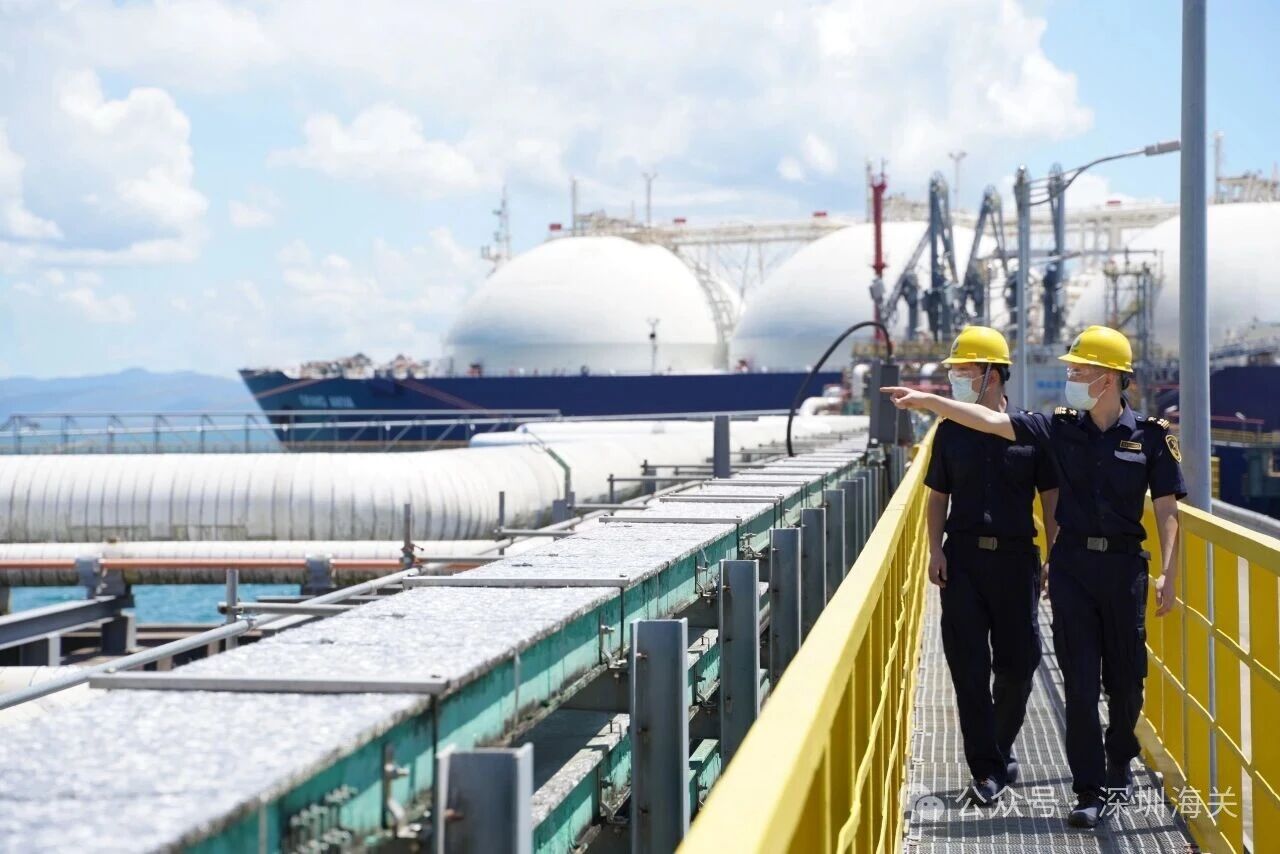
Customs supervision at the LNG receiving terminal
On September 8, 2023, under the supervision of Dapeng Customs, cumulative throughput at the Guangdong Dapeng LNG receiving terminal exceeded 100 million tonnes, making it the first LNG terminal in China to reach this landmark.
2026
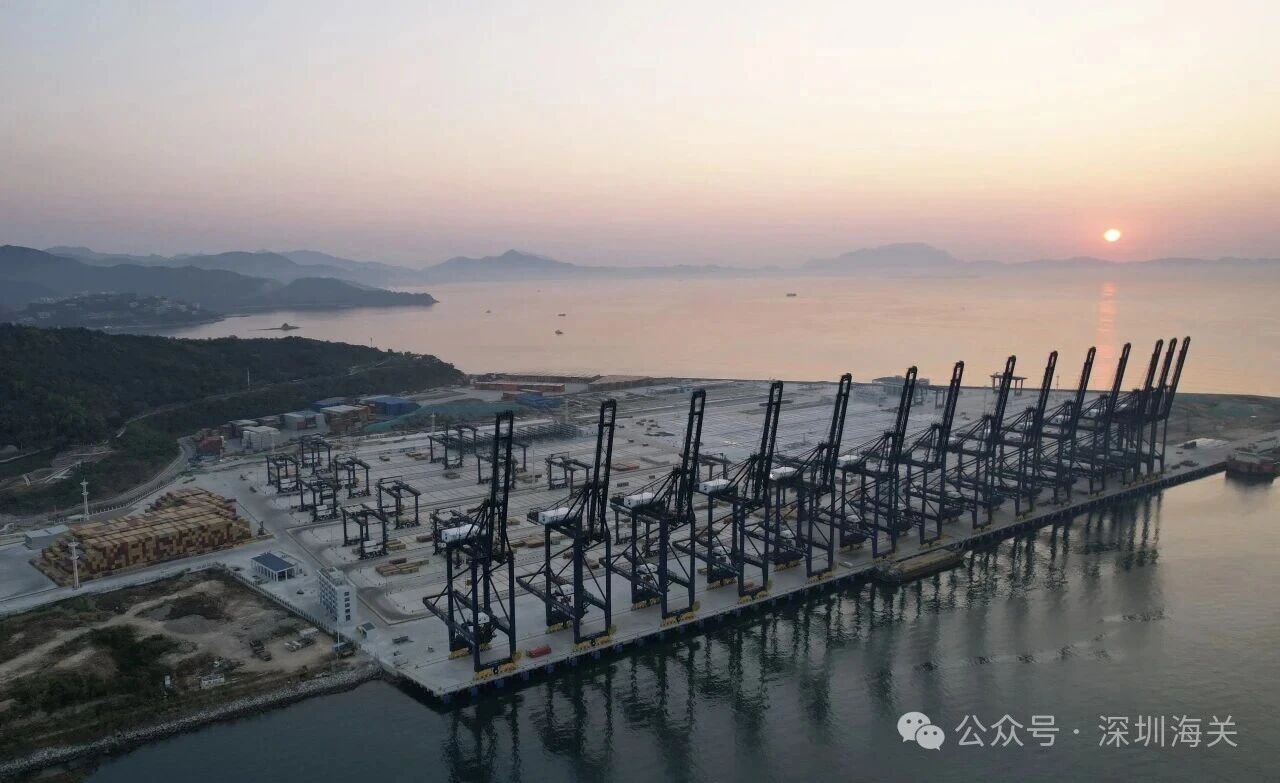
Phase I main marine works completed at East Port of Yantian Port
On January 16, 2026, the main marine works for Phase I of East Port of Yantian Port were fully completed. The project is equipped with China's largest automated dual-trolley quay cranes, capable of handling ultra-large vessels of up to 32,000 TEUs—33% larger than the world's current largest container vessels.
Upon completion, the terminal will add an annual handling capacity of 3 million TEUs, representing a key step in advancing a world-class port cluster in the Greater Bay Area.
As mega vessels converge at a mega port, the future is full of promise, and a new chapter is set to unfold for Dapeng Customs.
Over three decades of steadfast dedication, Dapeng Customs, powered by the perseverance and resolve of generations, has helped transform a once-barren fishing port into a world-class port.
With its founding mission unwavering, Dapeng Customs will continue to uphold integrity, drive innovation, and pursue excellence, contributing ever greater wisdom and strength to the advancement of a modern, world-class customs authority.