










On May 7, under the joint promotion of the Yantian District and Dongguan Maritime Safety Administrations, lithium battery products manufactured in Dongguan officially achieved "doorstep inspection," marking the successful launch of the Greater Bay Area's first cross-regional one-container regulatory model for lithium battery maritime exports. Under this innovative model, regulatory procedures are moved forward to the cargo preparation stage, allowing enterprises to apply for on-site maritime inspections before shipment. Once inspection requirements are met and seals are applied, containers can be transported directly to Yantian Port and loaded onto vessels within just 90 minutes. The process achieves seamless "one-time inspection, one container to the end," eliminating repeated container opening inspections at Yantian Port. Special thanks go to the maritime safety authorities for their innovation, commitment, and strong support in balancing economic development with safety management, while jointly contributing to the high-quality development of China's foreign trade.
The new model is expected to reduce logistics costs by approximately CNY20,000 per container and shorten overall logistics lead times by 20%. As a core hub port in the Greater Bay Area, YANTIAN continues to drive cross-border trade facilitation through institutional innovation, further optimise the port business environment, and support the global expansion of more than 400 lithium battery enterprises in Dongguan, creating a replicable and scalable port service model for the Greater Bay Area and beyond.
(The following content is reproduced from Shenzhen Maritime Safety Administration)
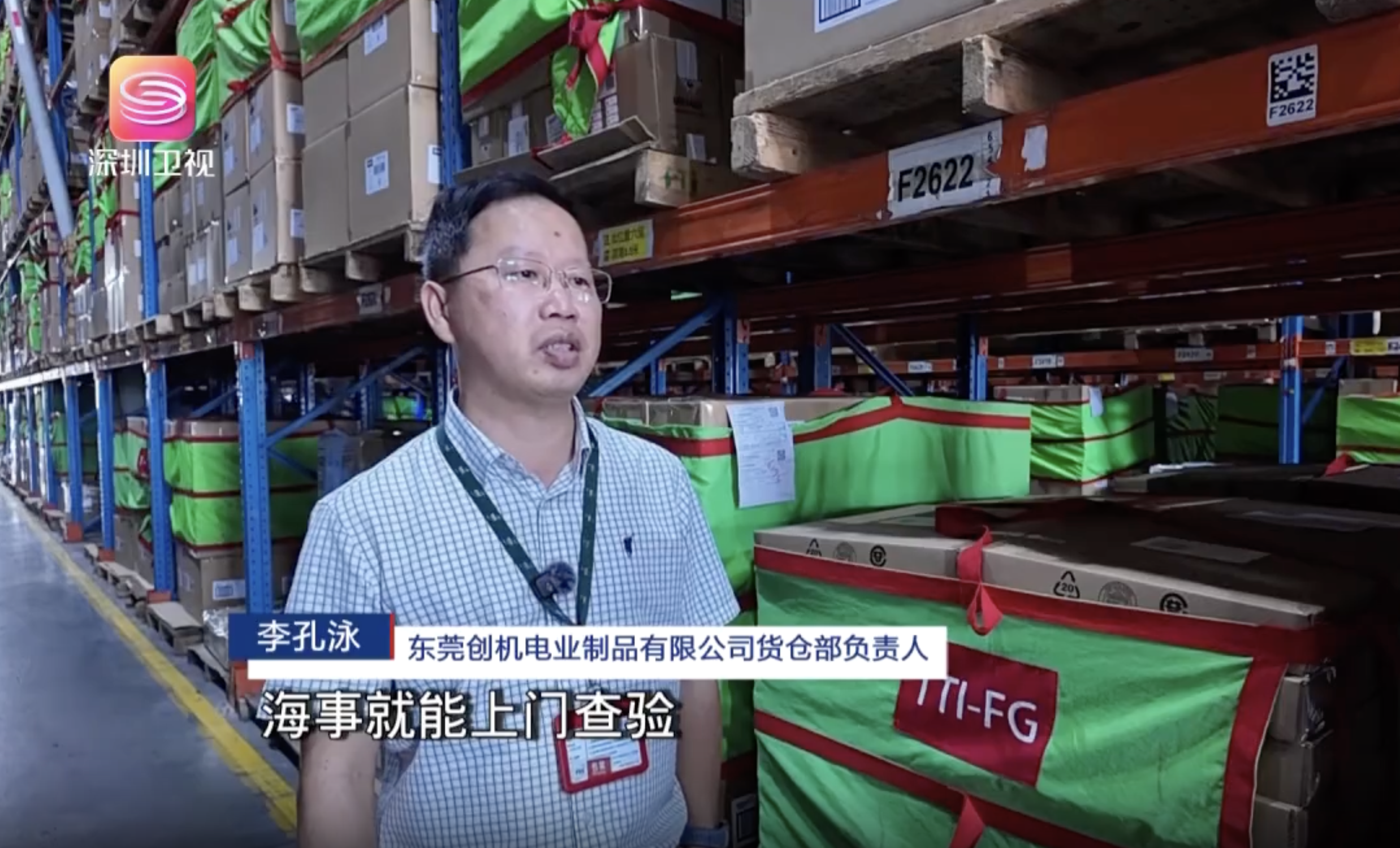
"Previously, cargoes arriving at Yantian Port still had to wait for inspection. Now, maritime inspectors can conduct on-site inspections while we are still preparing cargoes in Dongguan. Once approved, the containers can be shipped directly, significantly improving efficiency.”
—Li Kongyong, Head of Warehouse Department, Techtronic Industries (Dongguan) Company Limited
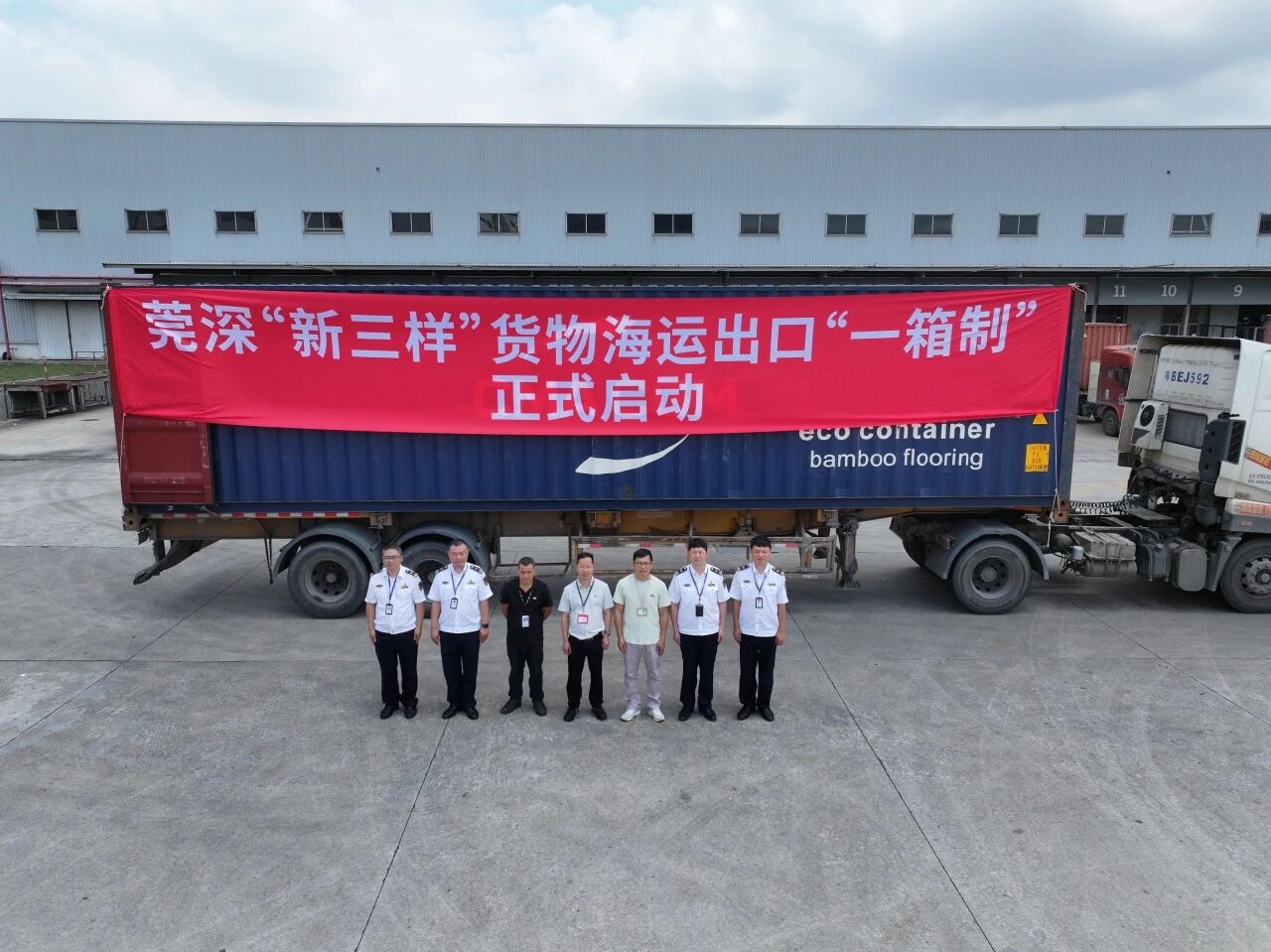
To implement the China MSA's initiatives supporting the safe and efficient export of the "New Three" products, continuously optimise the Greater Bay Area's cross-border trade business environment, strengthen the service capabilities of Shenzhen, as an international shipping centre, and ensure the safe maritime transport of dangerous goods, Yantian Maritime Safety Administration conducted a detailed assessment of export cargo status within its jurisdiction. By proactively responding to the needs of major exporters of the "New Three" products and closely coordinating with local maritime safety authorities, Yantian Maritime Safety Administration successfully facilitated the implementation and first operational rollout of the cross-regional one-container regulatory model for lithium battery maritime exports.
Inspection at Origin, Direct Loading Upon Arrival, One Container to the End
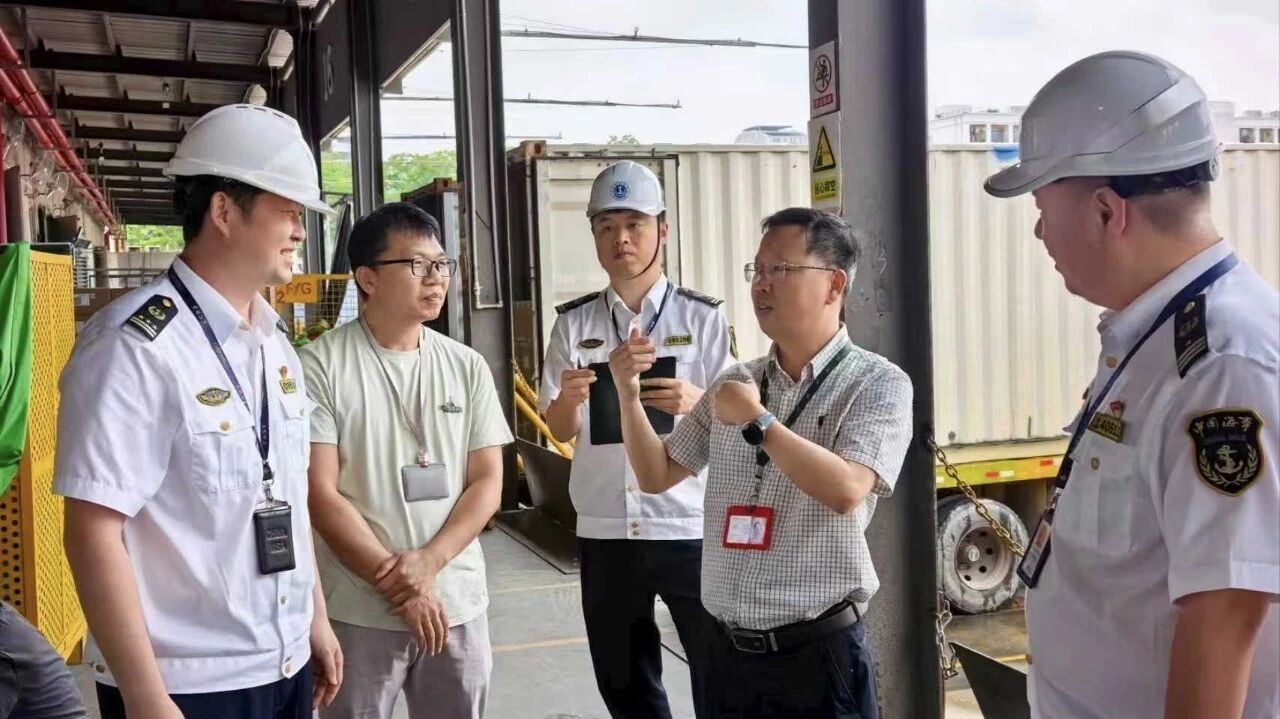
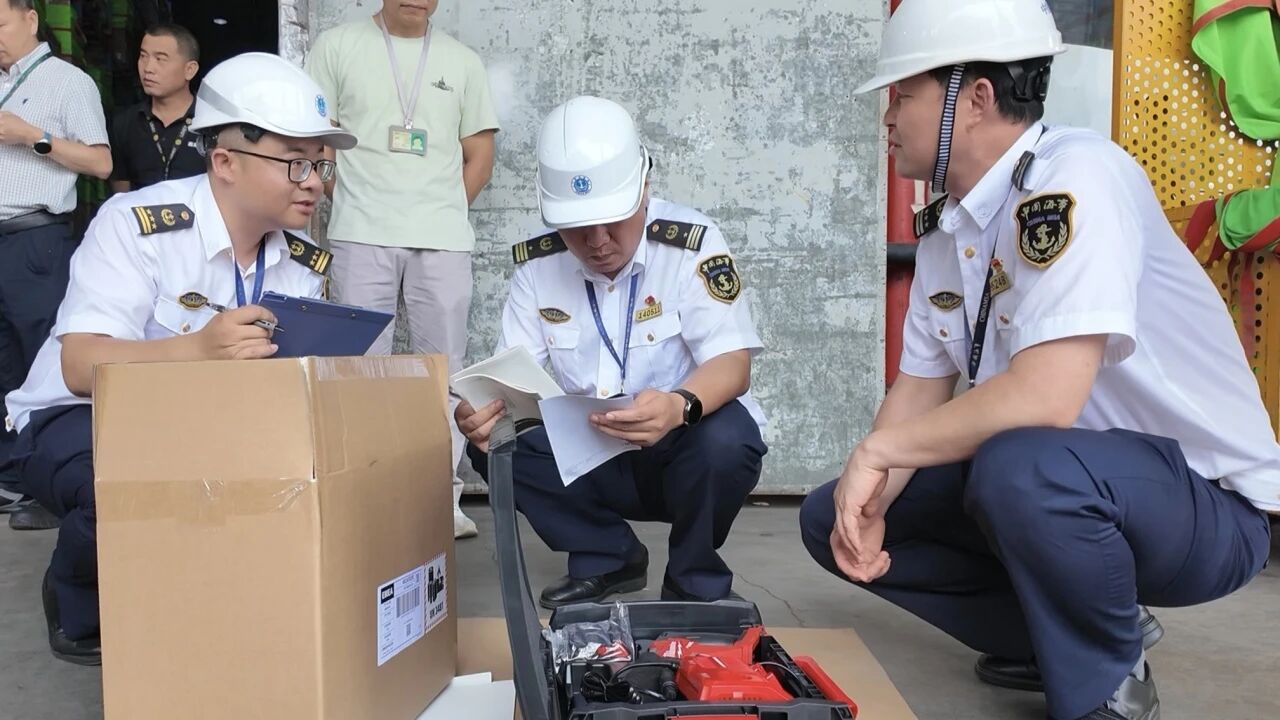
On May 7, Yantian Maritime Safety Administration and Dongguan Maritime Safety Administration jointly visited a pilot enterprise in Dongguan to conduct the first cross-regional inspection under the new one-container model for lithium battery maritime exports. The inaugural inspection, covering four export containers of lithium batteries, was completed successfully. The inspection was carried out in strict accordance with the International Maritime Dangerous Goods Code. Authorities conducted comprehensive checks on cargo classification, packaging compliance, container stuffing quality, documentation, and other critical requirements, with all cargo confirmed to fully meet maritime transport standards. By moving regulatory procedures upstream, enforcement officers are able to conduct source-level inspections directly at the shipper's premises and immediately require corrective actions for any compliance risks identified onsite. This approach effectively addresses longstanding challenges under the traditional model, including heightened safety risks after cargo enters the port, difficulties in rectification, costly cargo returns, and shipment delays, thereby reinforcing the first line of defence for the safe maritime export of lithium batteries. Containers that pass the joint inspections conducted by both authorities can achieve a seamless process of "inspection at origin, direct loading upon arrival, and one container to the end." Upon arrival at Yantian Port, containers no longer require secondary unpacking inspections and can be directly loaded onto vessels for export, significantly enhancing port clearance efficiency and cargo turnover.
One-time Inspection at Origin, One-time Clearance Save Approximately CNY20,000 Per Container
According to feedback from the pilot enterprise, the new model has delivered remarkable results in improving efficiency and reducing costs during peak shipping periods. Each container can save approximately CNY20,000 in comprehensive logistics costs, while overall logistics lead times are shortened by 20%. Backed by Dongguan's annual export volume of approximately 28,000 TEUs of lithium batteries, the model is expected to continuously unlock large-scale efficiency and cost advantages, further strengthening the confidence of foreign trade enterprises. The new model for lithium battery maritime exports deeply integrates Dongguan's manufacturing strengths with Yantian Port's world-class shipping and logistics advantages. By breaking through traditional jurisdiction-based regulatory barriers, the model establishes a safer, more efficient, and more cost-effective export service system for lithium batteries, further consolidating and enhancing Yantian Port's position as a core foreign trade hub in the Greater Bay Area.
Moving forward, Yantian Maritime Safety Administration will continue strengthening cross-regional coordination and joint management mechanisms, while further refining and optimising the one-container regulatory service process to steadily expand coverage among export enterprises. At the same time, the administration will systematically consolidate its experience in cross-regional collaboration and digitally empowered supervision, striving to establish a benchmark regulatory service model for the maritime transport of dangerous goods in the Greater Bay Area and create a governance framework that is both replicable and scalable.