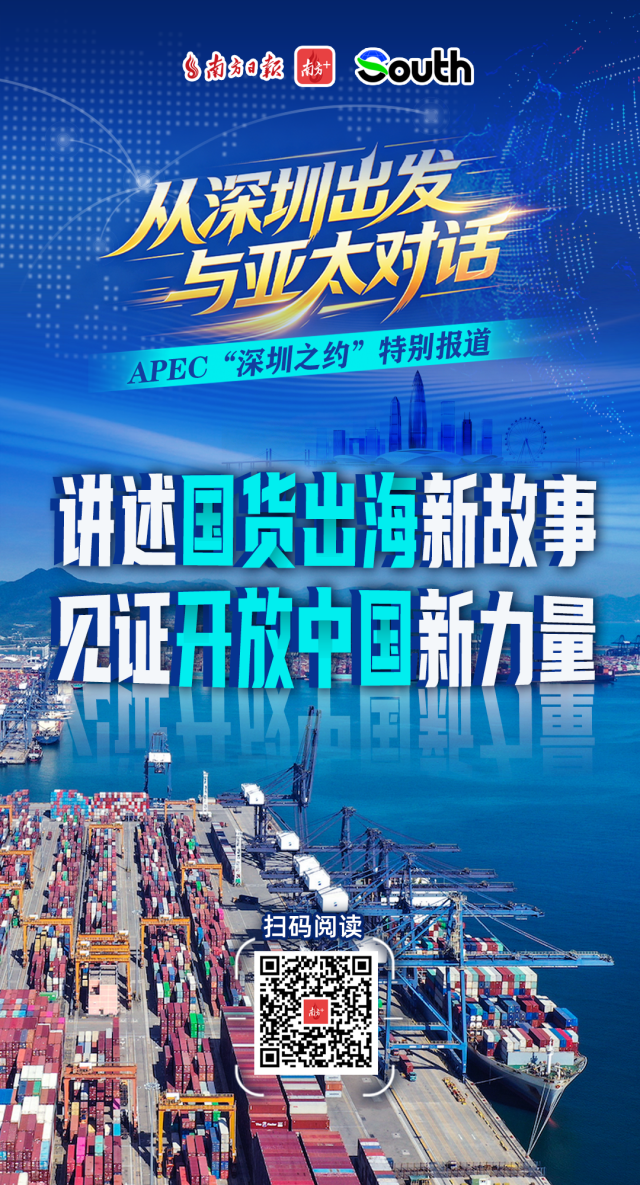
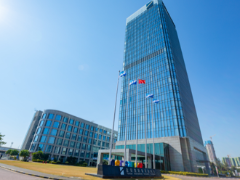

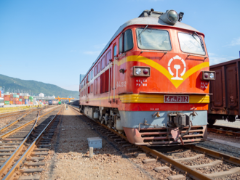






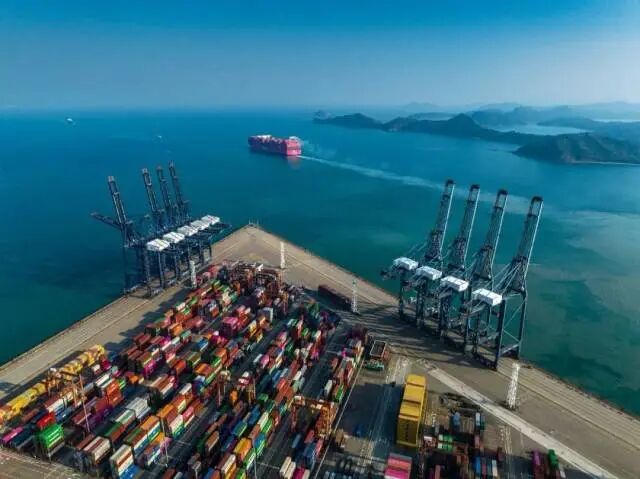
In 2026, as the world's attention turns once again to Shenzhen during the APEC China year, another story of global connectivity is unfolding along the city's eastern coastline. At YANTIAN—one of the world's largest single container terminals—quay cranes rise and fall in rhythmic motion. As a world-class maritime hub, this deep-water port links Shenzhen to the globe through nearly 100 weekly shipping services, supporting one-third of Guangdong's foreign trade and more than one-quarter of China's exports to the United States.
(The following article is reproduced from Nanfang Daily and Nanfang+.)
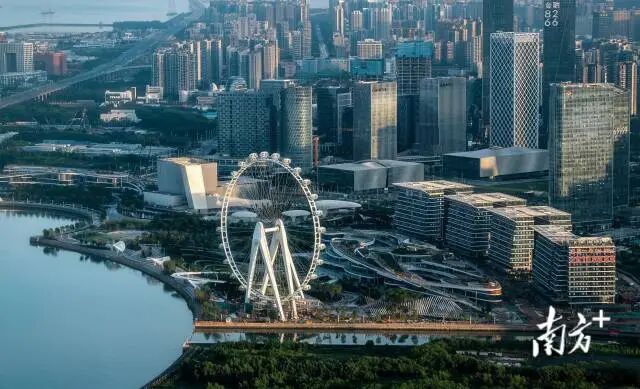
The story of Shenzhen has always been a story of setting out.
From serving as China's "window" to reform and opening up to becoming a global centre of technological innovation, the city has consistently looked beyond its horizons.
In 2026, China will once again host APEC, with the 33rd APEC Economic Leaders' Meeting set to take place in Shenzhen.

The world's attention will once again focus on this city—born of openness, thriving through innovation, and strengthened by its connections to the world.
Across the city, the glow of laboratory lights blends seamlessly with the rhythm of production lines. Supply chain hubs operate in sync with overseas business divisions. Life sciences, advanced equipment manufacturing, low-carbon display technologies, modern agriculture, and professional communications—Shenzhen's leading industries are expanding globally with remarkable momentum, opening up new frontiers and opportunities.
Along Shenzhen's eastern shoreline, giant vessels berth at Yantian Port like whales at rest, while towering cranes move gracefully like giant arms in motion. Container flows surge ceaselessly, day and night. Products made in Shenzhen and services delivered from Shenzhen stream outward like an endless river, following blue ocean routes across the Asia-Pacific and onward to the world.
China's economy is an ocean, not a pond. Shenzhen's journey of opening up mirrors a surging wave within that vast expanse—built on steady accumulation in calm waters and propelled forward through storms and challenges. Through every tide and current, the city has remained at the forefront.
This is the visible Shenzhen.
Beneath the surface lies a deeper transformation:a city redefining its role within the global industrial, supply, and innovation chains. Ports connect the world, enterprises connect markets, and technologies find real-world applications. Behind the global expansion of Shenzhen brands lies the remarkable transition from "Made in China" to "Intelligent Manufacturing in China," the growing capacity of Chinese enterprises to engage in global cooperation, and a vivid testament to China's ever-deepening commitment to an open economy.
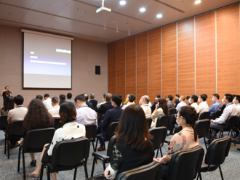
Setting out from Shenzhen, we engage in dialogue with the Asia-Pacific. Starting today, the Shenzhen Bureau of Nanfang Media Group, together with the Publicity Department of the CPC Yantian District Committee, officially launches the "APEC: Shenzhen Calling" reporting series. Using Yantian Port as a lens, Shenzhen enterprises as the protagonists, and APEC member economies as the global backdrop, the series will chronicle how a new generation of Chinese enterprises is leveraging port infrastructure, industrial ecosystems, and innovation capabilities to navigate broader opportunities across the Asia-Pacific, while writing a new chapter in the story of "Intelligent Manufacturing in China."

Thriving Through the Sea: Understanding the Openness of a Port
Economic history has repeatedly shown that ports serve as critical gateways connecting cities to global markets. Today, maritime shipping carries approximately 80% of global merchandise trade and underpins the vast machinery of international commerce and global industrial chains.
For an open city, the importance of a port speaks for itself.
Born by the sea and prospering because of it, Yantian is accelerating its development as the core area of Shenzhen's vision to be a global marine centre city. Yantian Port, meanwhile, serves as a vital gateway connecting this coastal district with the world and supporting China's broader opening-up agenda.
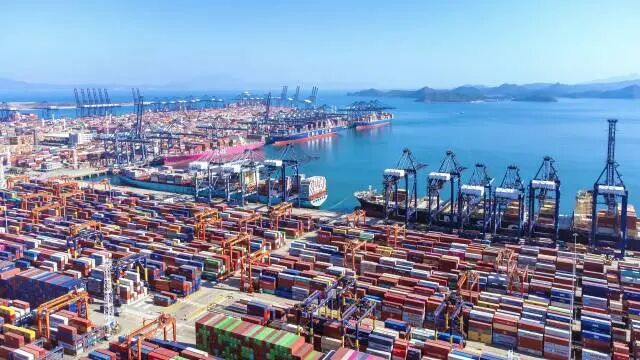
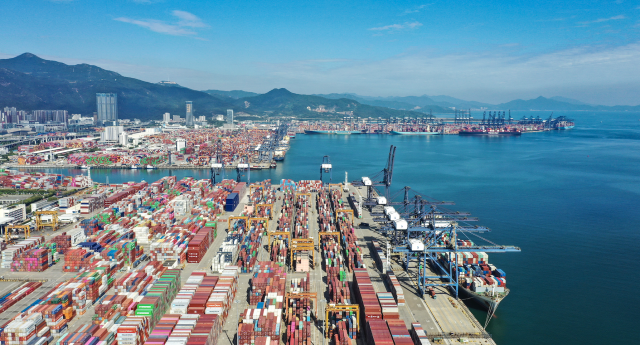
Located in eastern Shenzhen, Yantian Port is a major container hub port in South China and a deep-water port favoured by the world's largest container vessels. Like a giant arm, it links the manufacturing clusters of the Greater Bay Area on one end and, through an extensive network of inland ports, rail-sea services, and port alliances, connects a vast industrial hinterland with global markets on the other.
Statistics show that Yantian Port has become the world's largest single container terminal. It has 20 deep-water container berths, with water depths ranging from 14 to 17.6 metres, a terminal area of 417 hectares, and a total berth length in use of 9,078 metres. The port serves more than 100 shipping services each week, supporting one-third of Guangdong's foreign trade and more than one-quarter of China's exports to the United States.
In 2025, the port handled 16.109 million TEUs, up 7.1% year on year. Water-to-water transshipment volume reached 4.028 million TEUs, an increase of 32.9%. In the first quarter of 2026, container throughput reached 4.036 million TEUs, up more than 8.9% year on year and setting a record high for the same period.
Today, Yantian Port has transformed from a traditional cargo-handling port into a comprehensive supply chain hub. High-end equipment is shipped overseas from here. Cross-border e-commerce cargoes are consolidated here before being exported. Cold-chain products clear customs here and embark on long-distance journeys. New energy equipment sets sail from here. The movement of countless containers has energized entire industrial chains and created a vital link between Chinese manufacturing and global markets.
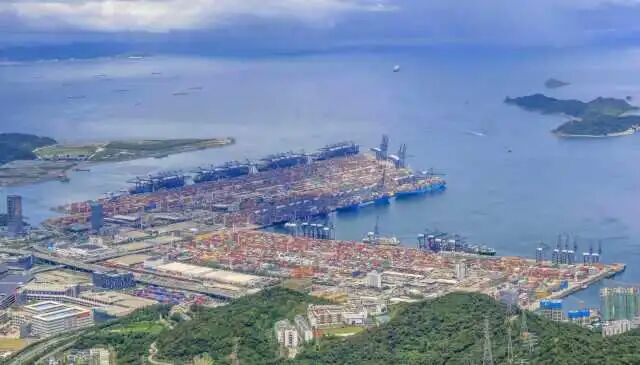
The strength of a port is measured not only by the volume of cargo it handles, but also by the breadth of its global connections. Currently, Yantian Port has nearly 100 international shipping services, connecting 146 ports in 46 countries and regions. Rooted in Shenzhen, serving South China, and connected to the world, it functions like a powerful heart, pumping the lifeblood of "Made in China" across the globe.
This is the confidence behind Shenzhen's global outreach: thriving through the sea and reaching the world through its port; advancing through innovation and drawing strength from its industries.

Advancing Through Innovation: Understanding the Global Journey of Intelligent Manufacturing in China
Ports create pathways, but it is enterprises—and the industrial dynamism behind them—that truly go global.
Chinese brands are entering a new stage of international expansion. In the past, overseas expansion was often measured by export value, order volume, and market share. Today, enterprises are taking overseas not only innovative products, but also technologies and services; not only high-end equipment, but also solutions; not only global brands, but also a commitment to shared prosperity.
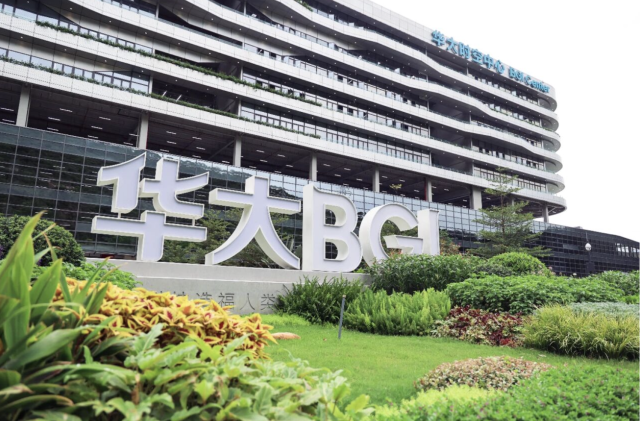
BGI's international expansion has enabled life science technologies to move beyond the confines of laboratories and into broader public health networks, contributing to disease screening, genetic disease prevention and control, and healthcare capacity building.
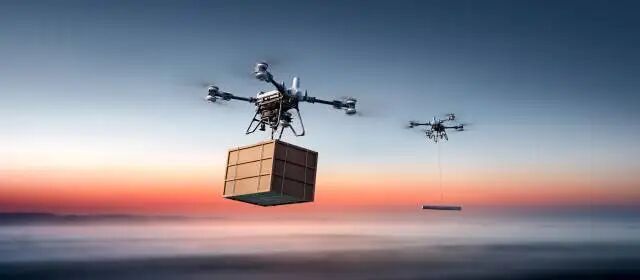
DJI's global story is being written across fields, forests, and countless production sites. Agricultural drones and delivery drones are carrying out precision mapping, targeted spraying, and intelligent operations on overseas farms and ranches. Like a quiet agricultural revolution, they help improve efficiency and reduce costs while extending the reach of Chinese intelligent equipment.
Sihoo's international growth story unfolds in everyday life, demonstrating craftsmanship in the details. Growing out of Shenzhen, the ergonomic chair manufacturer has dedicated its research and development, design, manufacturing, and service capabilities to a single product. Its offerings cover a variety of scenarios, including office work, short breaks, and leisure activities, and it has successfully established sales networks at home and abroad.
While these enterprises operate in different sectors and follow different paths, they point to a common trend: Chinese enterprises are going global through stronger technologies, deeper application expertise, and more resilient supply chain capabilities. As Chinese products enter Asia-Pacific markets, they increasingly reflect the broader value of industrial upgrading, green development, public governance, and improvements to people's livelihoods.
"Joining hands" rather than "letting go," and "tearing down walls" rather than "building them"—China's commitment to openness and cooperation is taking root through every partnership and every project undertaken by these globally expanding enterprises. The value of "Intelligent Manufacturing in China" is being seen, used, and shared through these vivid and tangible examples.

Looking Ahead: Understanding Shenzhen's Answer to Asia-Pacific Cooperation
Behind the global expansion of enterprises lies not only a city's growing openness, but also deeper engagement between China and the Asia-Pacific.
APEC advocates openness, inclusiveness, connectivity, and sustainable development, and is committed to building an Asia-Pacific community with a shared future.
The Putrajaya Vision 2040, adopted in 2020, calls for an open, dynamic, resilient, and peaceful Asia-Pacific community by 2040. More recently, the Bangkok Goals have identified green, inclusive, and resilient development as priorities for action.
Openness, innovation, and cooperation—these three words also define Shenzhen.
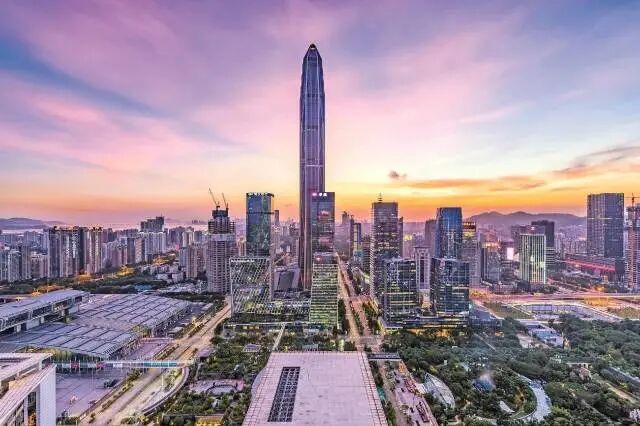
Shenzhen began with openness, grew through innovation, and continues to expand through cooperation. With APEC coming to Shenzhen in 2026, the city offers the world a new window through which to observe Chinese modernization and a new vantage point from which to understand how Chinese enterprises are contributing to Asia-Pacific development.
President Xi Jinping once said, "No one can stop the mighty flow of rivers running to the sea." Although economic globalization faces headwinds and challenges, mutually beneficial cooperation remains the prevailing trend. The global expansion of Shenzhen enterprises reflects this broader historical momentum.
Viewed from Shenzhen, the Asia-Pacific reveals closely interconnected industrial and supply chains.
As one of the world's most dynamic economic regions, it continues to generate strong demand for high-quality products, green technologies, digital tools, and public services. Shenzhen enterprises are expanding into the region not only through competitive products, but also through their capability to integrate research and development, manufacturing, logistics, and services. It is this capability that enables many Shenzhen enterprises to follow global shipping services into overseas markets and pursue broader opportunities for cooperation It also aligns closely with APEC's commitment to advancing regional economic integration and strengthening supply chain resilience.
Viewed from Shenzhen, "Intelligent Manufacturing in China" reveals a clear path of industrial upgrading.
Behind the application of drones in agriculture lies the transformation of traditional industries through intelligent equipment. Behind genetic testing solutions for disease prevention and control lies the contribution of life sciences to public health capacity. Behind communication systems supporting emergency response lies the role of professional communications in enhancing public safety and governance. These concrete examples demonstrate how the value of "Intelligent Manufacturing in China" is increasingly being understood, tested, and recognized by markets around the world. They also reflect APEC's shared commitment to achieving sustainable growth through digital transformation and innovation.
Viewed from Shenzhen, an open China reveals a deeper logic of cooperation.
As enterprises expand globally, they must not only adapt to international rules but also respond to local needs. They must not only bring products overseas, but also leave behind services, standards, and trust. Going farther depends on the confidence built through technology and quality; going steadily depends on the trust accumulated through long-term service and a commitment to mutual benefit. Shenzhen's moment in APEC China 2026 therefore offers an important window into how Chinese enterprises participate in Asia-Pacific cooperation and contribute to shared development—a window through which the harmony between China and the world can be seen.
The Chinese people often say, "The world is a big place, and I want to see just more of it." The Chinese market is such a big one that everyone is welcome to come and see what it has to offer. Today, Chinese enterprises are setting out from Shenzhen, bringing "Intelligent Manufacturing in China" to the Asia-Pacific and the wider world. Shenzhen enterprises, Shenzhen products, and Shenzhen solutions are embracing the world on behalf of countless Chinese people, while also bringing the winds of the world back to China.
Starting today, we will step into ports, enterprises, and the depths of industrial chains. Following the routes by which Chinese brands from Shenzhen are reaching global markets, we will document new practices at the forefront of opening up, new developments in "Intelligent Manufacturing in China", and new stories of Asia-Pacific cooperation.
Expanding the global market, strengthening mechanisms for shared development, and fostering more dynamic forms of international cooperation—this is China's solemn commitment to the world, and the mission embodied in "setting out from Shenzhen."
Setting out from Shenzhen, advancing through the sea and through innovation, we present to the world a new vision of "Intelligent Manufacturing in China".